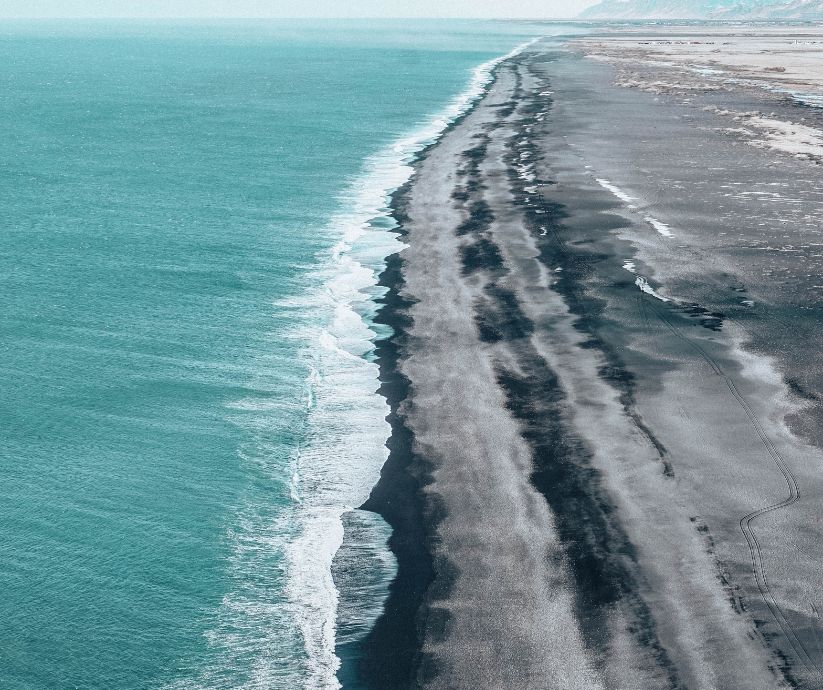
Fall in Iceland brings a lot of good memories.
It was also the season of many firsts:
The first… trip to Iceland.
The first… adventure as a married couple (on our honeymoon).
The first… time we completely and utterly fell in love with this country, and decided to call it home.
Now, over a decade later, and the golden hues of autumn and crisp air still whisper stories of beginnings, of love, and of a life we dreamt about building beneath the Northern Lights.
(Okay, I’m getting sentimental here. 😅)
But while it’s a dreamy time to visit – it’s also one that requires a little strategy if you want to catch the magic without the mayhem.
Because fall in Iceland is short.
Like, blink-and-it’s-gone, Cinderella-at-midnight, short.
Which means if you’re thinking of visiting during this shoulder season, you’ve got to be smart about it.
From what to pack to where to go, and more.
I’ve lived through A LOT of Icelandic autumns, and here’s everything you need to know to make the most of this underrated season.
And who knows, maybe you’ll look back someday and reminisce about the first time you fell in love with Iceland. 💚
Let’s get into it!
When Are the Fall Months in Iceland?
Fall in Iceland is short and sweet, just September and October.
That’s it!
So if you’re planning a fall trip, you’ll want to make every moment count!
Is Visiting Iceland in the Fall Worth it?
Yes, a thousand times yes! I’m gonna go ahead and make a bold claim… and say that fall is my favorite season in Iceland, but I am a little biased. It was the season we first traveled here, so it holds a special place in my heart.
If you’re wondering: is September and October a good time to visit Iceland? I’ve made a list of the pros and cons (because what can I say, I love a good list!) 👇
Pros
I’d say this is probably one of the best seasons in Iceland. Here’s why:
- The days are getting darker, and those pretty lights at the top of your bucket list come out to play – hello Northern Lights! September and October have some of the highest KP levels of the whole aurora season. While a lower KP doesn’t necessarily mean you won’t see them, it’s good to know that conditions are usually great in fall to catch them.
- The beautiful fall color palette starts to appear.
- It’s not too cold yet, and temperatures are still manageable. You might even experience some warmer days as well because it’s shoulder season.
- If you’re traveling at the very start of September, you’ll find that most roads are still open.
- Less crowds, so everything feels less busy.
- A bonus is that we’re officially out of peak season. You might start getting good deals on accommodation and flights. Push your visit a little further into October to benefit from lower prices.
Cons
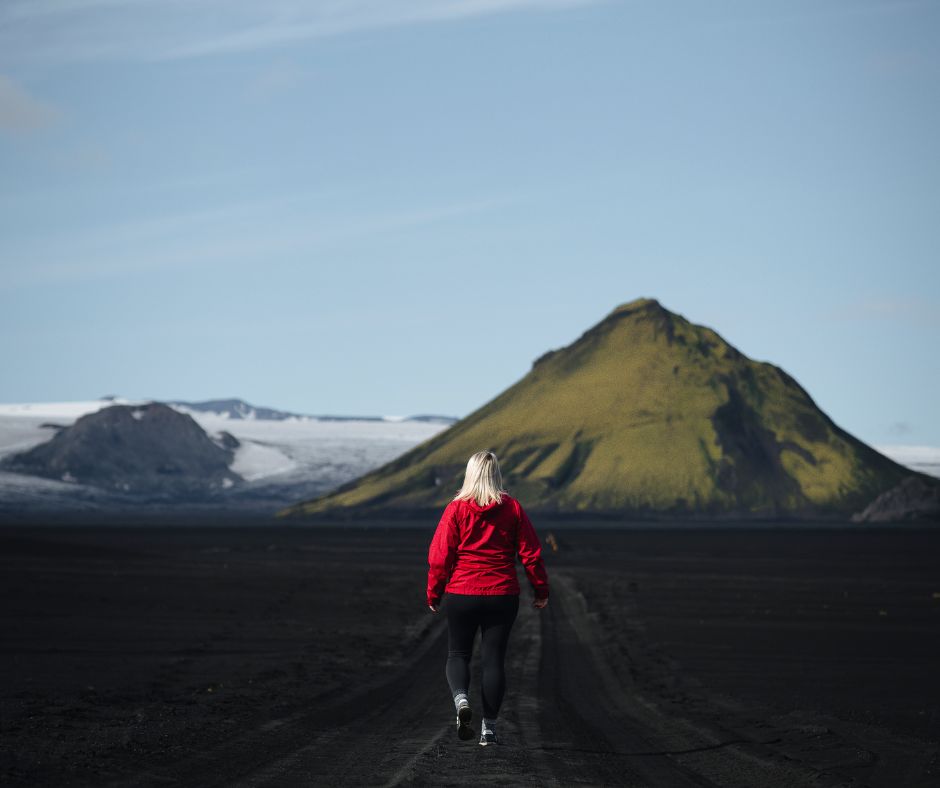
- The F-Roads (Highland roads) like those in Thórsmörk, Landmannalaugar and the Kjölur Route start to close around mid-September. There isn’t an official date, because weather can impact this quite a bit. Please don’t bother trying to get yourself into the Highlands past September, you really don’t want to run the risk. If it’s on your bucket list I’d rather opt to take a small group or private tour.
- There are fewer daylight hours and while that’s great to see the Aurora, it’s also less time to explore.
- Iceland is windy in general, but the winds in the fall are extra strong!
If you want to SEE everything come in the summer. But if you want to FEEL and fall in love with Iceland, come in the fall.
Visiting Iceland in September vs October : Which is Better?
Which month you travel, as always, depends on what you want to see and what you hope to get out of your trip.
Here’s a quick side-by-side comparison so you have a better idea of the main differences between visiting Iceland in September and October.
| Iceland in September | Iceland in October | |
| Daylight hours | 13 hours | 8-9 hours |
| Temperature | 42°F (6°C) to 50°F (10°C) | 36°F (2°C) to 44°F (7°C) |
| Crowds | Fewer than summer | Fewer than September |
| Prices | Start to drop as summer season ends | More budget-friendly & off-peak deals |
| Northern Lights | Start of aurora season. But there are an average of 15 rainy days in September. | Prime viewing, darker skies with less snow storms than January and February, but it’s still rainy. |
| Accessibility | Thórsmörk is still accessible at the start of the month but will close as month progresses. | You might still be able to access the Westfjords, but access to the Highlands and Thórsmörk will be closed |
| Fall colors/foliage | These usually peak in mid to late September | Depending on the timing, you might still be able to catch the autumn colors. |
I suggest September if: you want more daylight to explore, milder temps, and access to Þórsmörk at the very beginning of the month before it closes for the season.
Get an in-depth look of what to expect in September in Iceland here. 👇
➡️ READ: Iceland In September: Everything You Need To Know For The Best Trip Ever
I suggest October if: You’ll have fewer snowstorms and less winter weather getting in the way of viewing the Aurora than you would in the depths of winter.
You’ll have to trade off access to the Highlands, but the Golden Circle, Ring Road, and glacier hikes are all still fair game. Plus, October is noticeably cheaper.
Is October a good time to visit Iceland? It’s a great time, and here’s more information on what October in Iceland has in store for you. 👇
➡️ READ: Iceland In October: Your Ultimate Guide For A 2026/2027 Trip
Temperatures in Iceland in the Fall
As I’ve mentioned before, the weather this time of year is really fickle.
How cold is Iceland in the fall? On average, temperatures can range from 35-50° F (2-10° C), but can definitely feel colder with the wind and damp air!
Iceland temperatures in September: Highs around 50°F (10°C) with lows of 42°F (6°C)
Iceland temperatures in October: October starts getting quite cold, with highs around 44°F (7°C) and lows of 36°F (2°C)
What to Wear in Iceland in Fall
No matter what time of year you’re visiting Iceland, you need to think in terms of LAYERS! (But this is especially true in autumn).
Start with thermal base layers and add a warm sweater. (A traditional Icelandic Lopapeysa is perfect!)
Don’t forget practical accessories like gloves, a hat or headband, and a buff or gaiter to keep your neck warm.
And since fall in Iceland is the rainiest season, make sure you’re fully geared up for that too.
You’ll definitely want a waterproof, windproof jacket with a hood and sturdy hiking boots.
The weather doesn’t mean it needs to dampen your plans. As long as you’ve got waterproof gear, you’ll be right as rain! 😉
Not sure what you need to keep you (and your equipment) dry?
I have a few suggestions for the 👉 best rain gear for Iceland.
If you want details on what to pack and what to wear in Iceland in September and October, I go into WAY more detail in the blog post below. I highly suggest you check it out! 👇
➡️ READ: Essential Iceland Fall Packing List: How to Pack for a September + October Adventure
Can You See the Northern Lights in Iceland in September & October?
Yes! Fall is by far the best time of year to see the Northern Lights in Iceland.
(This is another reason why it’s my favorite season.)
The nights are long enough, and if the skies are clear, the aurora activity is impressive with intense colors.
They’re every bit as magical as you’d expect!
The best time to see them is from late August all the way up to the middle of April. However, you can expect some of the best aurora displays, with the most vivid colors in September and October.
That’s one of the major reasons why people choose to visit Iceland in the fall.
How to check the forecast: There are a few helpful apps you can download to help your chances of seeing them. Veður, Hello Aurora, and My Aurora are some of my favorites.
It’s so worth checking the moon phase before you go. A darker moon phase generally works in your favor.
Best time of night to look: They usually come out anytime after 8 P.M. But you need to be patient. Sometimes they don’t appear until much later in the night.
Where to go: The great thing is if you’re staying in Reykjavík, you don’t have to travel far at all to see them. Some of the best nearby spots include Grótta Lighthouse, Öskjuhlíð Forest and Elliðarárdalur.
A couple of my favorite places outside of Reykjavík to watch the aurora are Jökulsárlón and Þingvellir National Park.
Driving in Iceland in Autumn
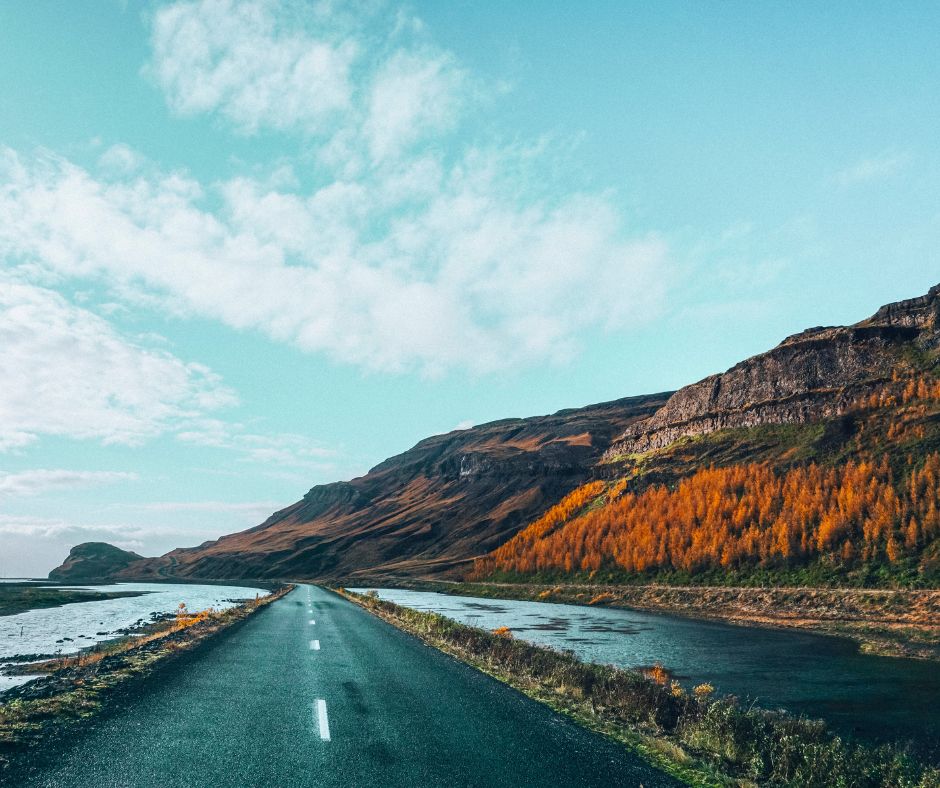
I get a lot of questions around whether or not you need a 2WD or 4WD in Iceland – and in autumn, it can be a bit tricky.
This shoulder season can swing either way depending on the weather, so here’s a simple guide to help you decide:
- Planning to drive in the remote regions of Iceland? You always need a 4WD. No exceptions.
- Sticking to the main paved roads in September or early October? A 2WD will usually do just fine.
- Traveling at the end of October or into November? Go with a 4WD. Snow and ice can show up fast.
Iceland’s weather can be all over the place, and an early winter can change things fast.
That’s why I recommend renting from a local company that knows the terrain.
👉 I personally use Blue Car Rental. They include insurance, offer easy online check-in, and have 24/7 roadside assistance — trust me, that peace of mind is worth it!
Book using my VIP link and get 5% off your rental price automatically. No code needed!
What’s Open & Accessible in Iceland in Autumn?
September and October are great months for sightseeing across Iceland. You can visit Reykjavík and the Golden Circle to the Ring Road, and even the Westfjords.
Most of these regions remain accessible throughout fall, though you’ll want to keep an eye on road conditions as you get deeper into October.
I wouldn’t recommend including the Highlands on your to do list if you’re visiting in the fall.
But here’s something you must-do before you head out each day: check the weather and road conditions and make sure you understand and follow the 👉 travel warnings.
My two go-to sites are vedur.is and road.is – they’re total lifesavers!
Oh, and if you want to travel like a pro, don’t miss my post on the best apps for Iceland. Trust me, they’ll make your trip way smoother!
How to Pace Your September & October Iceland Itinerary
The number one thing I hear over and over is the pacing concern.
How much can I actually fit in a day?
If you’re traveling to Iceland at the end of October and crossing into November, you’ll want to pay close attention to your itinerary.
In this case, what I suggest doing, and how I’ve set things up with my own itineraries, is to grab the winter itinerary because it’ll be paced with winter conditions and shorter daylight hours in mind. It lays everything out for you from daily schedules and planned routes to realistic drive times.
So, if you’re visiting Iceland in the fall, you need a solid plan, tailored for this season.
Fall Festivals + Events
The fun doesn’t stop just because summer’s over.
In fact, fall in Iceland brings with it cultural traditions, cozy community gatherings, and events that give you a deeper look into Icelandic life.
Réttir and Réttarball
Each September, Icelandic farmers round up their sheep from the open countryside and bring them back to the farm.
This annual event is called Réttir.
It’s a celebrated tradition, and once the work is done, locals often gather for food, music, and dancing at the festive Réttarball.
Reykjavík International Film Festival
If you’re in Reykjavík in late September, don’t miss the Reykjavík International Film Festival, Iceland’s biggest movie event.
You can expect to see feature films and short films from all over the world. Sometimes shown in unique venues all over the city, such as swimming pools and even lava tunnels!
Imagine Peace Tower
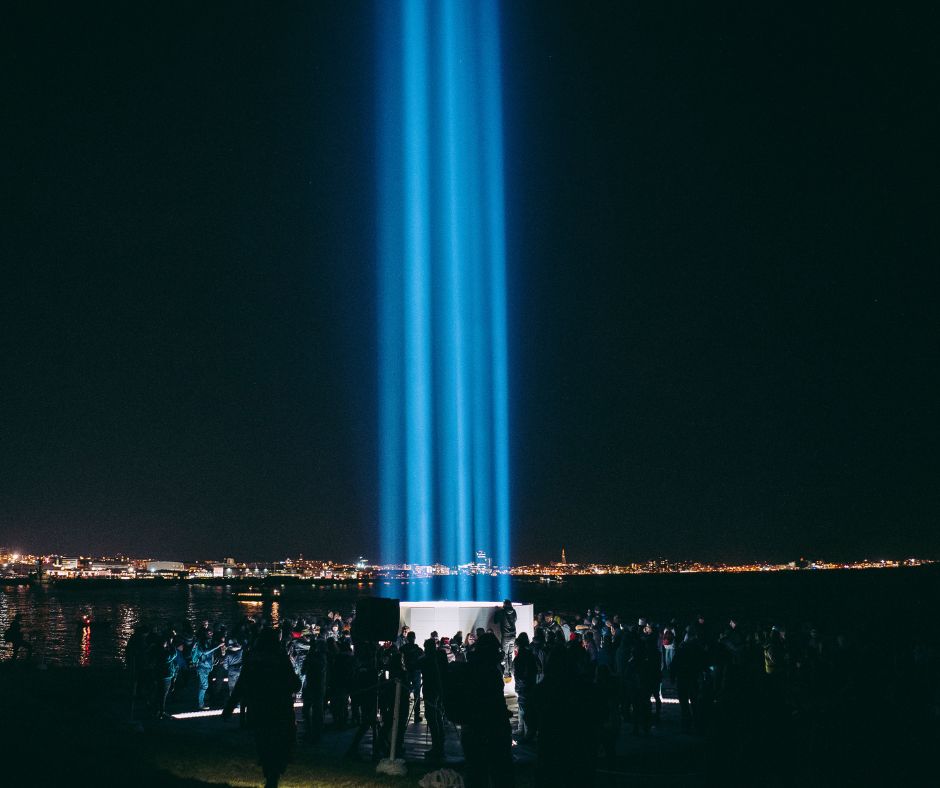
This memorial is a tower of light that shines into the sky from Viðey Island, just off the coast of Reykjavík.
The cool part? You can see it from all over the city.
It’s a tribute from Yoko Ono to John Lennon, lit every year from his birthday on October 9th and can be seen until December 8th.
Things to Do in Fall in Iceland
If you’re wondering what to do in Iceland in September and October, there’s plenty to explore!
Experience the Beautiful Fall Colors
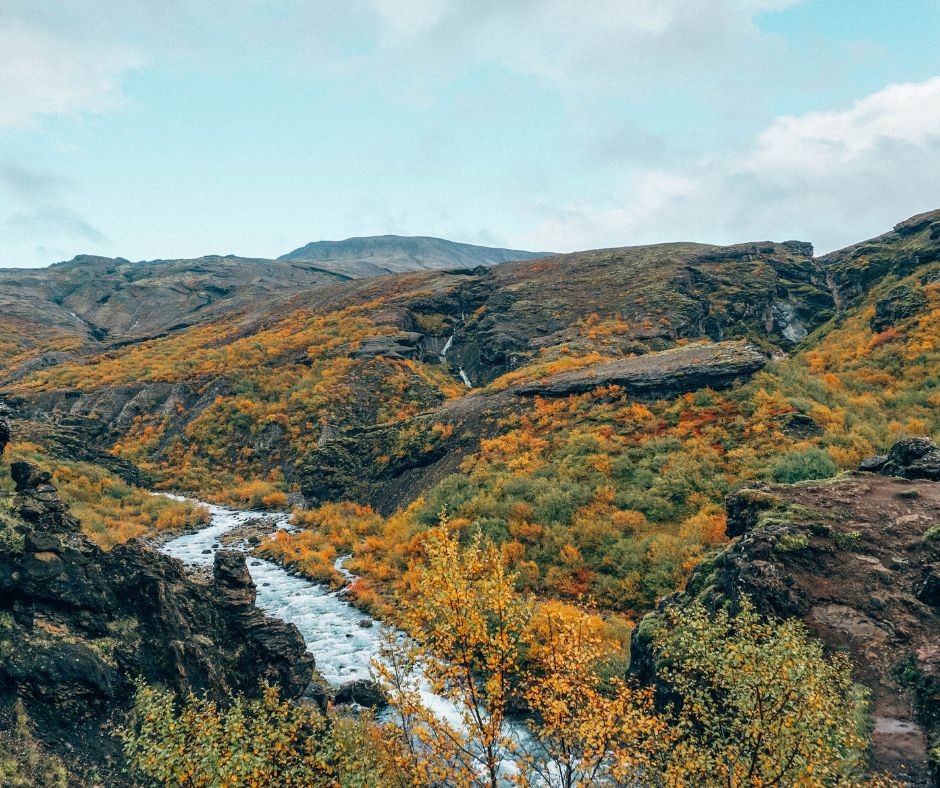
The fall colors are incredible!
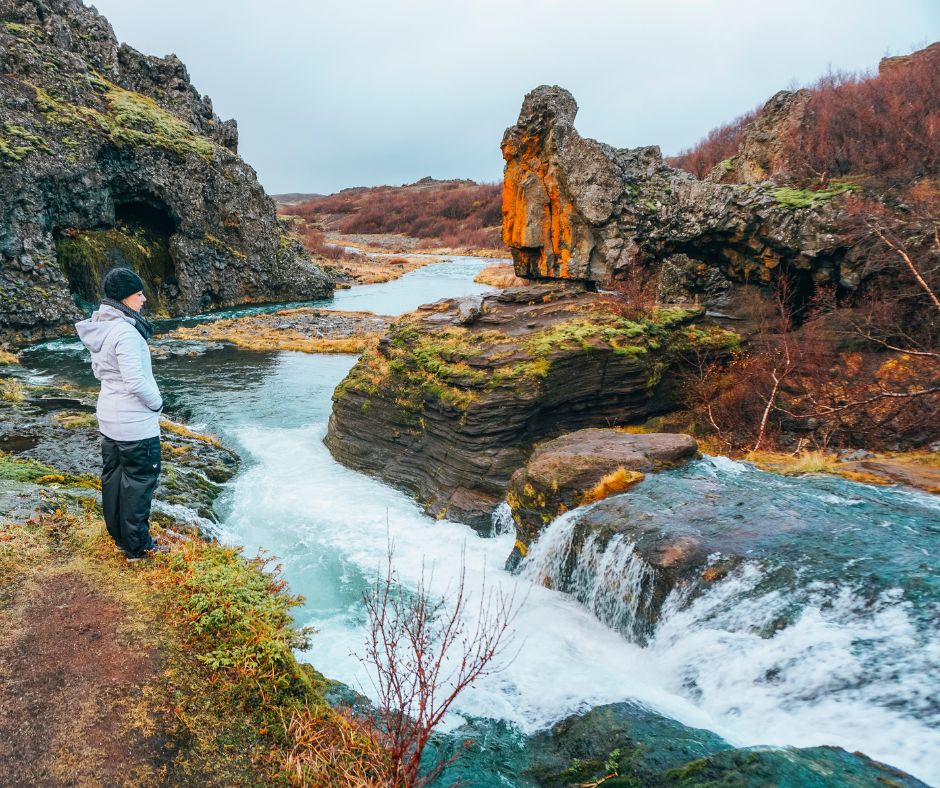
The whole country turns red and gold, and I’m not talking about the trees either, it’s the ground, the moss, the birch shrubs… all the little plants have a beautiful color to them.
If you want to see Iceland’s fall colors, just know it can be a bit of a gamble. The leaves change quickly, and depending on the winds, can disappear just as fast!
As a general rule, the colors start turning at the end of August and peak mid to late September.
BUT, if you get the timing right, here are some of my favorite places to see the gorgeous autumn foliage:
Þingvellir: This national park is worth a visit as it is, and one of the three major stops on the Golden Circle route. When the leaves change, you can see gorgeous red, orange, yellow, green, and purple all over!
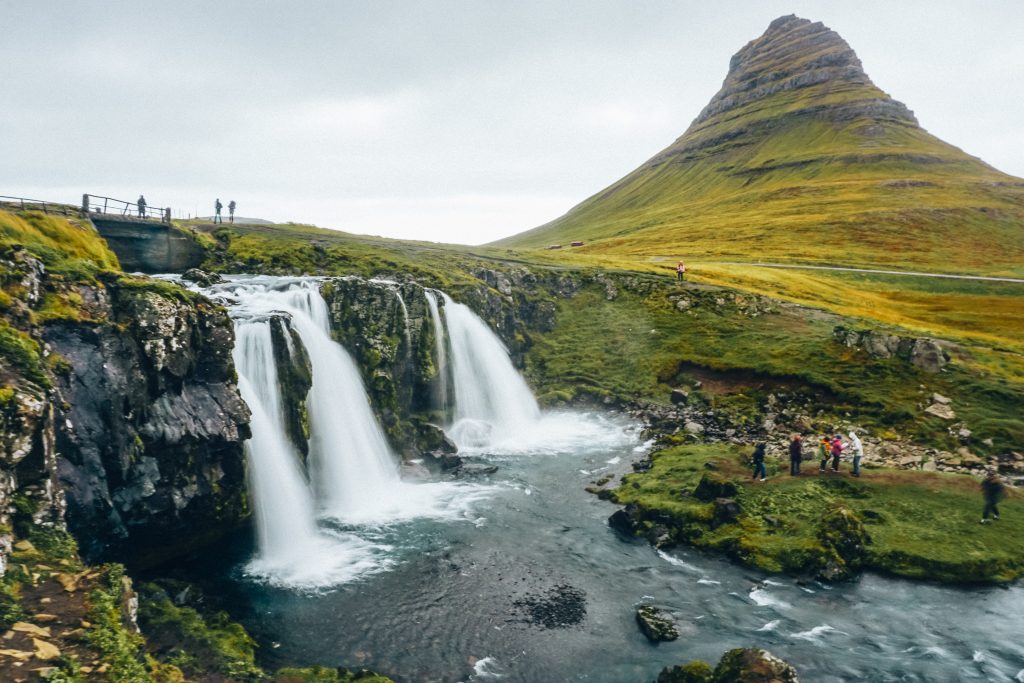
Hraunfossar: If you know me, you know I’m slightly obsessed with waterfalls! And autumn is my favorite time to visit Hraunfossar in West Iceland. The fall colors against the turquoise water is spectacular.
Kerið (Kerid) crater: This is one of the most famous volcanic craters in Iceland, and a must on a lot of tourists’ itinerary. My favorite time to visit Kerið is in the summer and in autumn and you get a magnificent view of the colors.
Laugardalur Valley, near Reykjavík: has a big walking area, a zoo, and a botanical garden that is beautiful during summer and autumn.
If you happen to be in Iceland during peak fall color, these places are well worth adding to your itinerary.
Hiking and Waterfalls in Iceland
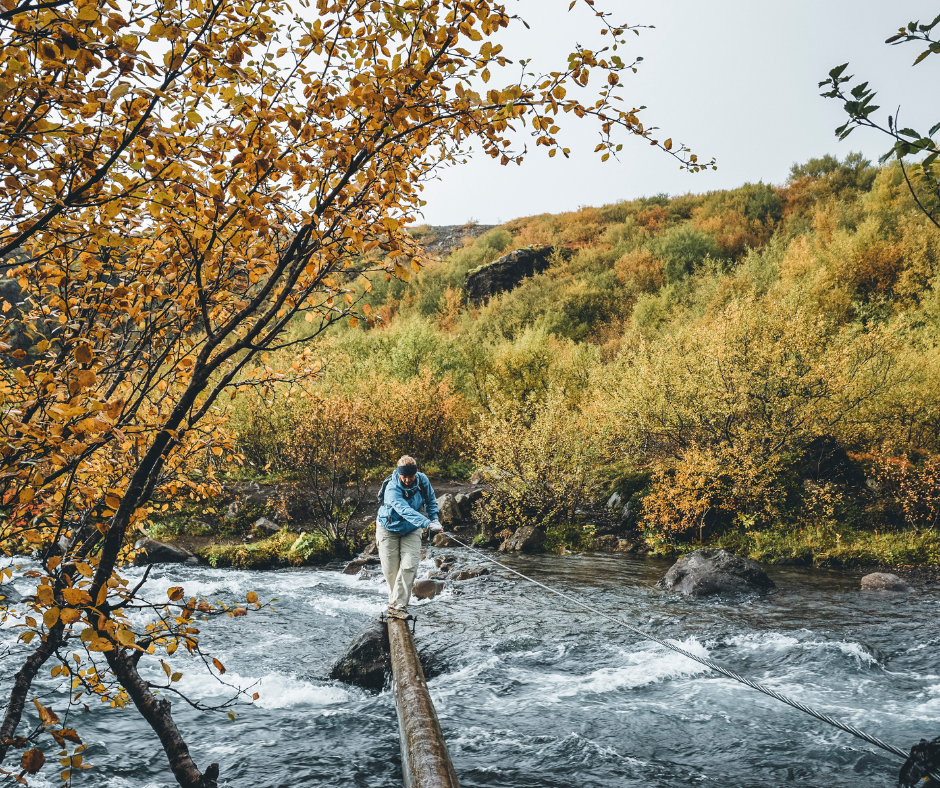
Iceland is well-known for its impressive waterfalls and hiking trails. Here are a couple of hikes you can enjoy in the fall.
Goðafoss Waterfall: Accessible year-round, the waterfall of the gods is one of Iceland’s most famous attractions. I’d definitely include Goðafoss in my Iceland fall itinerary.
Glymur waterfall: The hike to Glymur waterfall is one I never get tired of! The best time of year to visit is from June to September.
These are my absolute favorite hikes in the country!👇
➡️ READ: What Are the Best Hikes in Iceland? 13 Trails You Need to Explore!
Is Camping in Iceland in September & October Possible?
If the spectacular landscapes are giving you the itch to go camping in Iceland, I must say, I can’t blame you!
Camping definitely isn’t for everyone, and once the colder weather starts rolling in, it becomes a lot more challenging. You’ll need to be well prepared if you’re planning to camp in the fall.
Full disclosure, I probably wouldn’t recommend tent camping if it’s your first time visiting Iceland, especially in the fall when the winds can be brutal! But that doesn’t mean you have to skip the experience altogether. There are ways to make it much more comfortable.
(Especially if you’re camping in Iceland in October and September.)
Renting a camper van gives you much better protection from the elements, and you’ll be able to cook meals on the go. You’ll even save on accommodation.
The company I trust and keep going back to is Happy Campers.
My little family has been on so many adventures with them, and they’ve never let us down.
Book with Happy Campers. using my code 👉 IWV10 for 10% off your rental.
Pro tip: Bear in mind that a lot of campsites close over the winter months but this
Happy Campers campsite map shows you exactly which campsites are open year-round.
Visit the Westfjörds
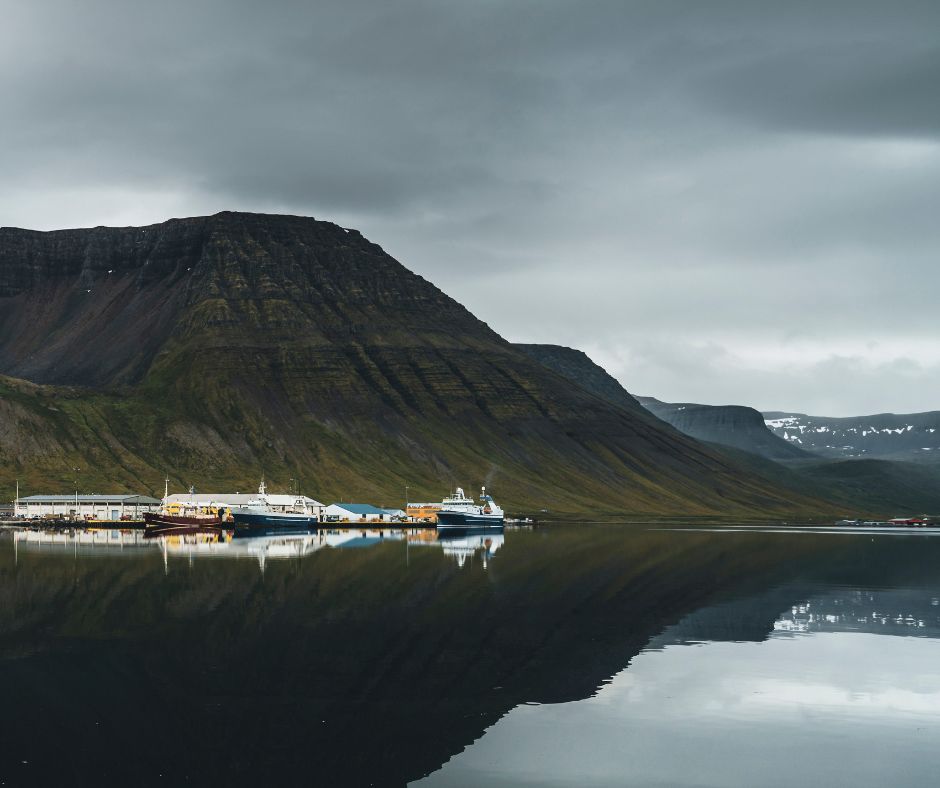
This is widely recognized as one of the best regions to visit.
The Westfjords are still accessible in September, but definitely off the beaten path. That said, just because it’s remote doesn’t mean there’s nothing to do!
You’ve got waterfalls, hot springs, museums, hiking trails, whale watching…. I could go on.
But there’s something you need to know about the Westfjords…
It isn’t exactly your “spontaneous road trip” kind of place.
Basic things like gas stations and other essentials can be few and far between, so you’ll need to plan ahead!
Thankfully, with my 👉 Iceland Travel Map, I’ve got everything pinned on a handy digital map – from scenic routes to the best places for a good night’s sleep.
Þórsmörk
Located in the south, between three glaciers, Þórsmörk (Thórsmörk) is an incredibly beautiful and popular hiking area in Iceland.
The famous Fimmvörðuháls hike can be found here. It’s definitely not for the faint of heart, but if you attempt it, it should be done between June and September because you won’t be able to access it in October.
Pro tip: If you plan on visiting Þórsmörk in the fall, I suggest you don’t leave it too late, or the roads will be closed off to passenger travel. It’s still beautiful to see in the fall, but you’ll need to take a tour later in the season.
Midgard hiking tours run from May through to October and the great news is that you can get 10% off your tour when you use 👉 this link and code: IWAV10
Explore Reykjavík
Don’t even let me get started on all the things you can do in Reykjavík!
It’s packed with museums, incredible eateries, and laid-back coffee shops. You can visit art galleries, enjoy impressive architecture, take a walking tour, and even experience beautiful nature without ever leaving the city!
Check out the best of Reykjavík here. 👇
➡️ READ: How to Experience the Best of Reykjavík: Food, Sights, Nightlife + More!
More Iceland Fall Tours
If you’re interested in some fall tours in Iceland, here are a few fun ones!
Whale Watching Tours
Tours to see these incredible animals run from April to October, so if you’re visiting in fall, you’re still within that window!
Keep your eyes peeled for minke whales, humpbacks, and even dolphins. Bundle up and don’t forget your camera!
➡️ TAKE A TOUR: Reykjavík Classic Whale Watching
Jökulsárlón Glacier Lagoon
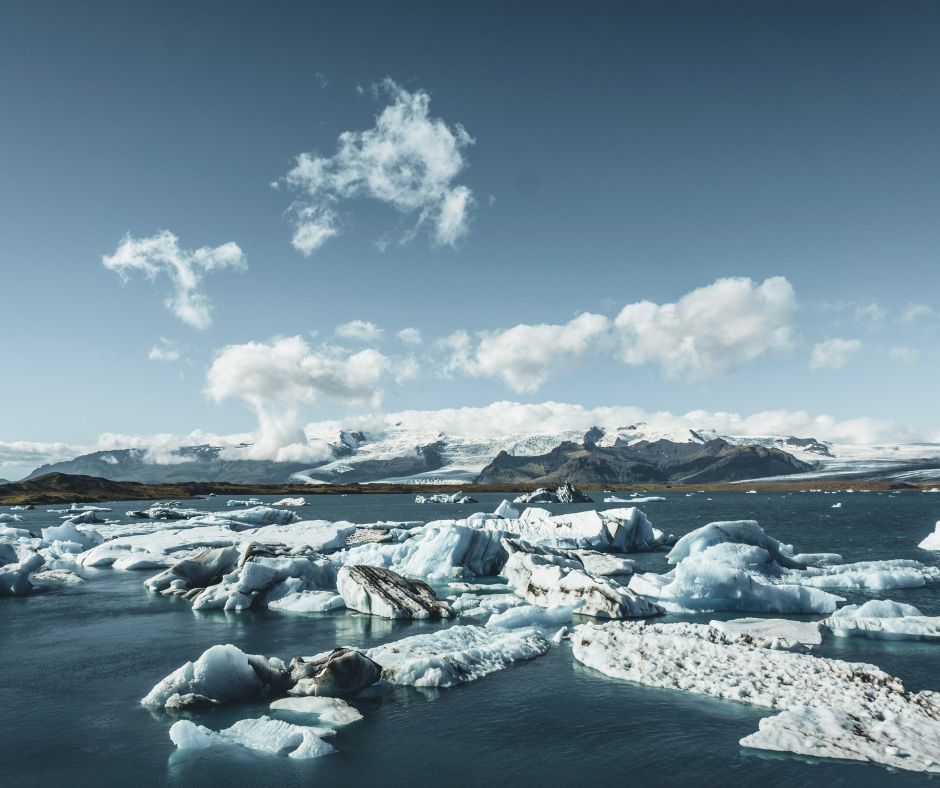
Fall in Iceland is a great time to experience the incredible Jökulsárlón!
Watch massive chunks of ice break off from the Vatnajökull glacier and float through the lagoon.
Check out this tour and get the best views.👇
➡️ TAKE A TOUR: Amphibian Tour – Glacier Lagoon
FAQs
Check out some of the common questions about autumn in Iceland:
Can You See the Aurora in Iceland in the Fall?
Yes, fall is one of the best times to see the Northern Lights in Iceland. As the days get darker, we’re moving from 13 hours of daylight in September, to around 9 hours in October. The skies become dark enough for the aurora to appear.
September brings fewer winter storms, plus the autumn equinox can increase your chances of aurora activity.
Just remember that seeing them is never guaranteed. Other factors that affect visibility are light pollution, cloud cover, and the phase of the moon.
Are the Roads Open in September and October?
Popular routes like the Ring Road and Golden Circle stay open through September and October, so getting around these areas shouldn’t be much of a problem.
You’ll even be able to access the Westfjords if you’re visiting in September or the start of October.
The Highland roads start closing usually by mid-September, and they’re usually a no-go by October.
Is September or October a Better Time to Visit Iceland?
September is better if you want access to some areas like Þórsmörk before it closes. There’s more daylight for exploring, and the weather isn’t as cold as October.
October will be best if you want darker days to catch the aurora, less crowds, and cheaper prices.
If you’re still torn, take a closer look at the September vs. October comparison earlier in this post for a full side-by-side breakdown.
Make the Most of Your Fall in Iceland
If you thought this guide was helpful, wait until you see what else I have for you!
It’s not every day you get to go to Iceland – this is bucket list stuff, and you definitely want to make the most of every moment!
The problem is that planning a trip can be overwhelming, especially when you’re not sure what to expect.
What’s still accessible?
What if you miss something important?
And with all the info floating around online… Where do you even start?
So I made you a guide covering all of Iceland’s must-see regions.
My 👉 Iceland Travel Map & Guide includes planning worksheets, must-see sights, hidden gems, and suggested daily schedules so you know what’s realistic to see each day.
You’ll even get exclusive discounts to help you save on your trip!
Every major stop, plus practical essentials like gas stations, grocery stores, and clinics, is pinned on a super easy-to-use digital map.
These guides have hundreds of five-star reviews from happy travelers, like Kevin, who said:
“We just returned from 14 magical days in Iceland, and Jeannie’s guide and the Google Map were invaluable in planning an incredible trip we’ll never forget.
We used both to plot our Ring Road tour and used the map to find handy gas and food stops along the way.
Thanks for pulling this all together, Jeannie!”
Reading messages like this is exactly why I do what I do.
Check out the Iceland Travel Map & Guide and get ready to feel way more confident (and excited!) about your trip.
Happy Planning!


Jeannie is the founder of Iceland with a View, an Iceland trip planning resource she launched in 2015 after moving to Iceland. Having lived in Iceland for nearly 11 years, she shares firsthand travel advice through in-depth articles, guidebooks, maps, itineraries, and a YouTube channel with over 110,000 subscribers. Her mission is to help travelers confidently plan unforgettable Iceland trips with practical, experience-based guidance.