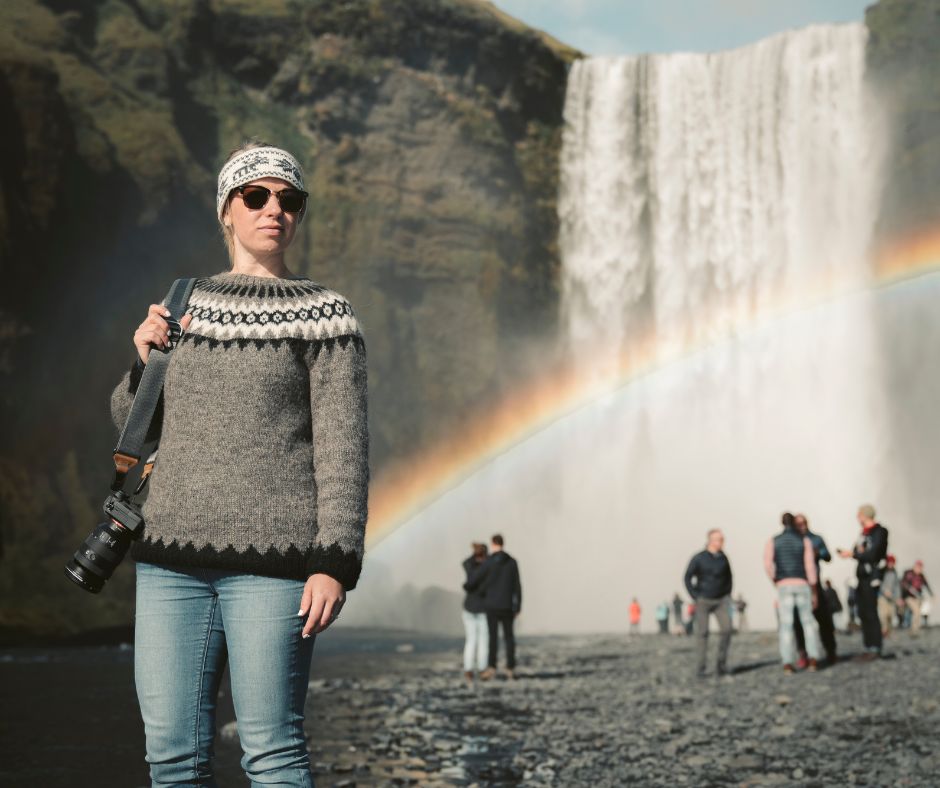
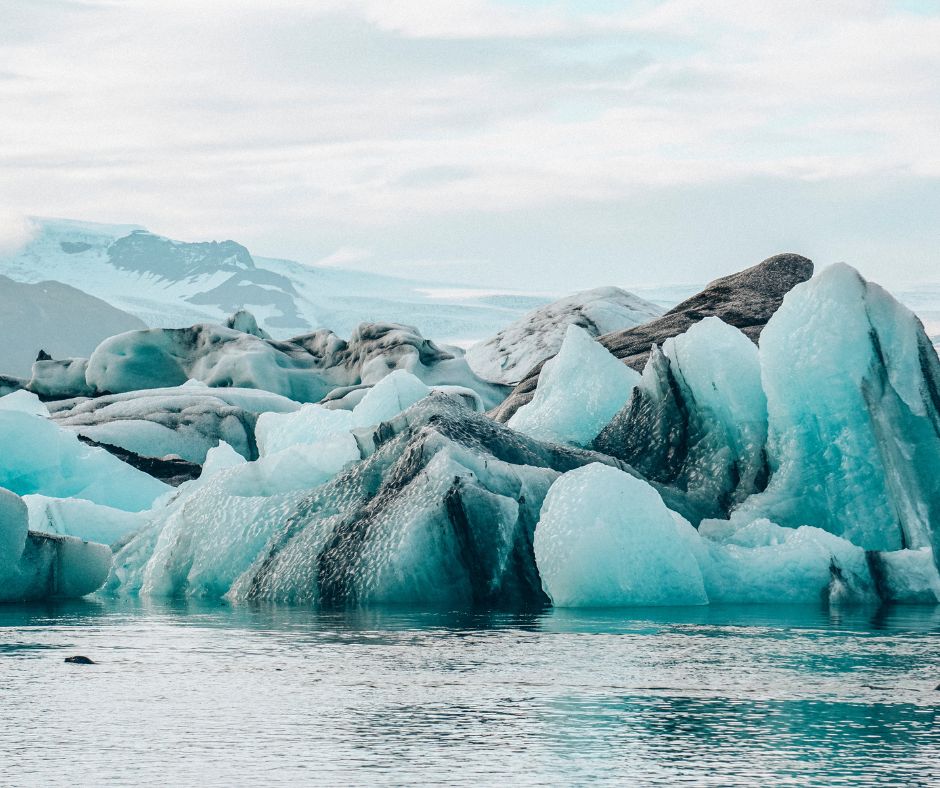
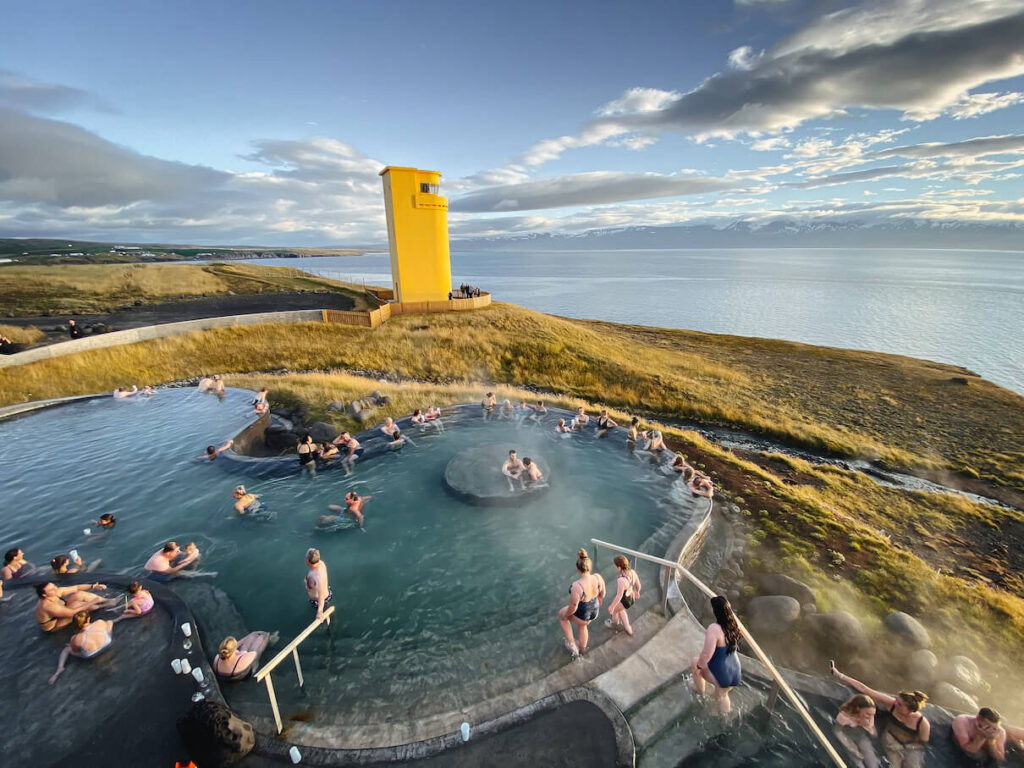
Iceland in the winter is unbelievably beautiful!
The landscapes are covered in a blanket of snow and stunning Golden Hour sunsets steal the breath right out of your lungs.
Oh, and they make for spectacular photographs!
There’s no denying that.
But is it the right trip for you?
A winter trip to Iceland comes with its unique set of challenges and considerations.
Before you start planning, I’ve put together a few questions you need to ask yourself.
They’ll help you figure out what kind of Iceland experience you want, and if a winter trip checks all the boxes.
After all, I want you to squeeze every bit of magic out of your holiday! ☺️
Answer honestly, and by the end you’ll know if winter is your season, or if you should save Iceland for summer instead.
Let’s get into it!
What Are the Winter Months in Iceland?
Winter in Iceland is from November to April. Yup… winter tends to run a little longer here than most places! 😀
That means your experience on a December trip will be quite different than if you’re coming here in April. You’ll want to check out my monthly guides for when to visit Iceland, they break down each month in more detail.
Now, let’s get to the juicy bit – the questions to help you decide whether a winter trip is the right choice for you. 👇
1. Are You Okay With Limited Daylight Hours to Explore?
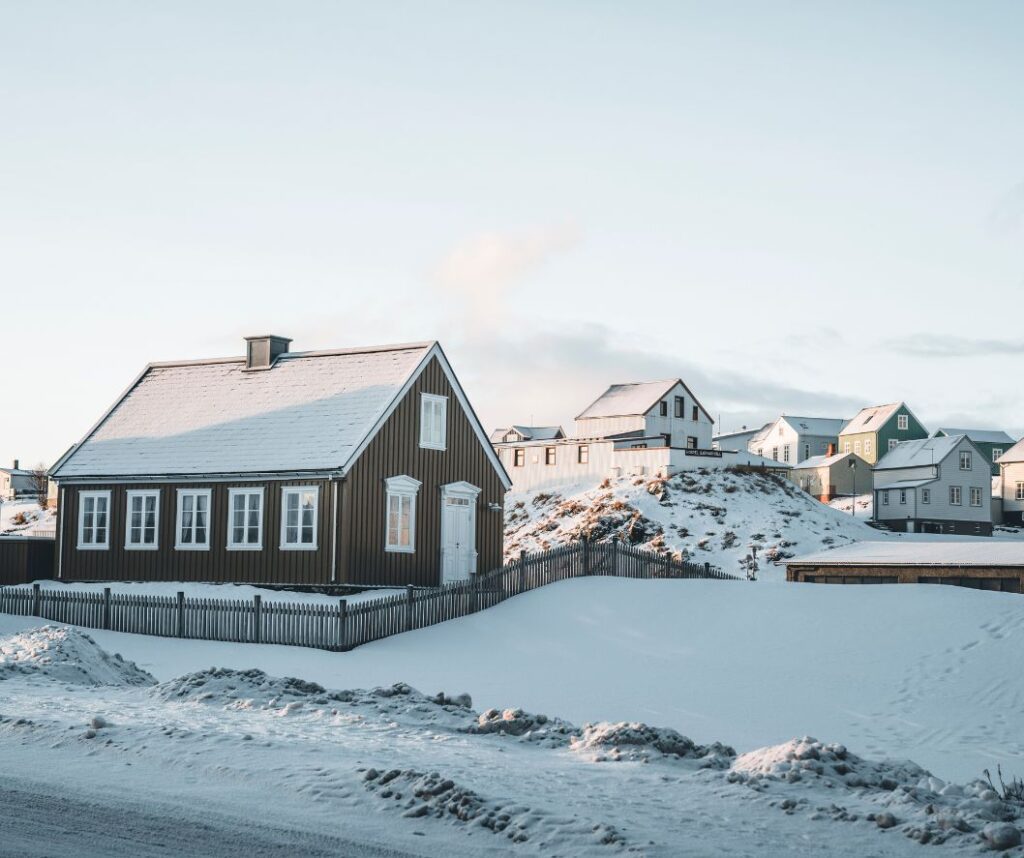
I’ve said it before and I’ll say it again, the most important thing you need to know when planning your trip to Iceland is the number of daylight hours you have to work with. This will affect your exploring time and whether you’re comfortable driving in the dark.
The daylight hours can be very different depending on which month you visit.
I suggest you mark December 21st on your calendar before you book. This is the winter solstice in Iceland and the shortest day of the year. It’s worth knowing exactly where your travel dates are relative to it.
If you’re going to Iceland in January, you’ll get about 7 hours of daylight by the end of the month and the days start getting longer after that, especially going into March and April.
👉 The takeaway: Iceland’s winter daylight hours are 8 hours at the start of November, but by mid-December, it drops down to just 4 hours!
Perhaps try booking your trip at the start or tail end of the season if you want longer days but still want to experience a winter wonderland.
2. Are You Okay With Seeing Less & Having a Slower Itinerary?
If your goal is to check as many things off your bucket list as possible, in a short amount of time, then a summer trip might be a better option for you.
The long nights and unpredictable weather of the winter season will definitely affect how much you can do.
But if you’re happy with a slower pace with fewer sights, a winter trip can still work beautifully!
The minimum amount of time I suggest is a 5-day Iceland winter itinerary, and in that case a combo of Golden Circle and South Coast would work well.
If you want to do Iceland’s Ring Road in winter, I’d say a minimum of 8-9 days. That’ll give you enough time to see what you need to while still factoring in weather changes and daylight hours.
I’ve found that a great way to deal with Iceland’s winter darkness is by waking up at the same time every day.
It’s really tempting to sleep in, but try to get into a consistent routine for your travel days – it helps you feel less groggy, and you’ll get to see more!
👉 The takeaway: A jam-packed itinerary is not the right way to go about a winter trip. When you only have 6 or 7 days, that’s not going to be enough time for the Ring Road. In winter, you’ll need at least 8-9 days for this route.
If you’re happy with seeing less and sticking to the more accessible regions like the South Coast and Golden Circle, then winter is perfect for that.
3. How Badly Do You Want to See Iceland’s Northern Lights?
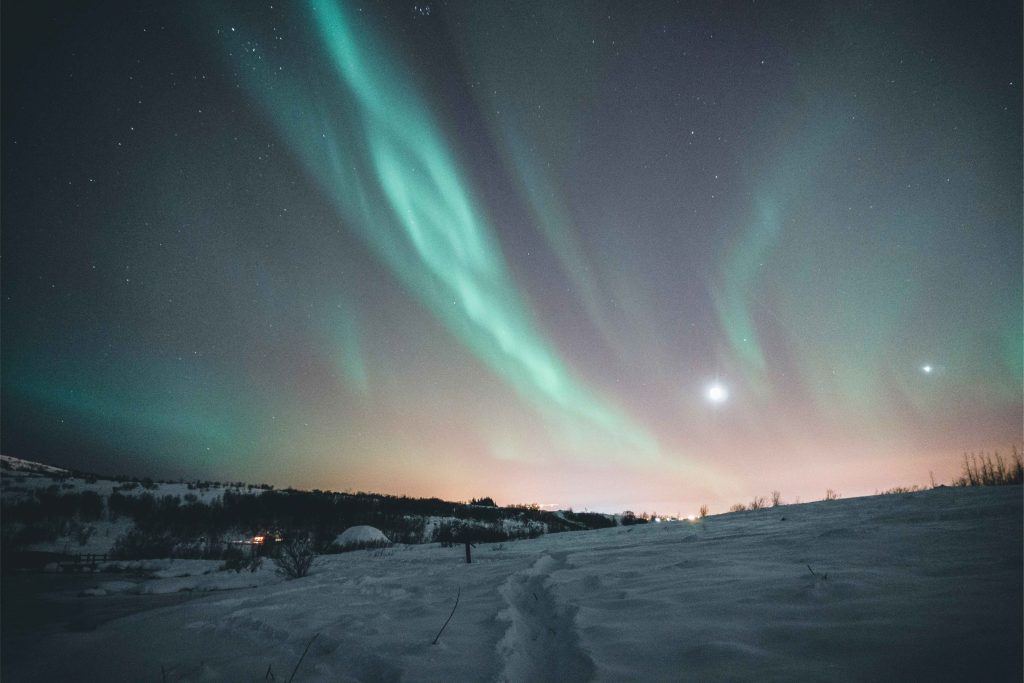
I knew when I planned my very first trip to Iceland, many moons ago, that this was one of the must-see experiences on my list.
The best times to see the northern lights in Iceland are late August to mid-April, so if seeing them was part of the plan, I knew I had to visit during that window.
Just remember, not all winter months are created equal when it comes to spotting them.
Iceland in December is prone to snowstorms that’ll affect visibility. That’s not to say that you won’t see them, but remember that weather is always a factor.
September, October, and March generally have the best colors out on show.
In case you’re wondering, the aurora is everything it’s cracked up to be… and more!
👉 The takeaway: If you’re considering an Iceland winter holiday, it’s northern lights season. 🙌
When the aurora is a bucket-list item, you’ll want to visit Iceland in either fall or winter. The summer days are just too long to see them.
4. Can You Brave the Winter Weather in Iceland?
A lot of you might come from places that don’t really experience intense winters. And if that’s the case, Iceland in winter will definitely be an adjustment!
Get ready for snow, wind, rain, and ice. Sometimes all four before lunch! 😅
Snow: Reykjavík doesn’t always get heavy snowfall, but if you’re traveling towards the interior and Golden Circle, you can expect to see a lot more. Other places that also don’t get a lot of snow are Vík and the black sand beaches of South Iceland.
Wind: Iceland is pretty windy year-round, but it is really amplified in the winter. The wind chill factor makes it feel SO much colder – you can feel it right down to your bones! You may even need to adjust your plans that day.
Rain: Winter is pretty rainy, with an average rainfall of about 100 mm/month. Don’t expect sunny skies!
Ice: Be prepared for ice and slippery surfaces, especially around the waterfalls. Crampons are going to be a lifesaver whether you’re in the city or out sightseeing at the natural attractions.
👉 The takeaway: This isn’t your average winter destination. Everything about Iceland is intense, and the weather is no different. If you’re really affected by the cold and prefer to hibernate in the winter instead of exploring, this is definitely not the season for you!
5. Are You Comfortable Driving in Iceland in Winter?
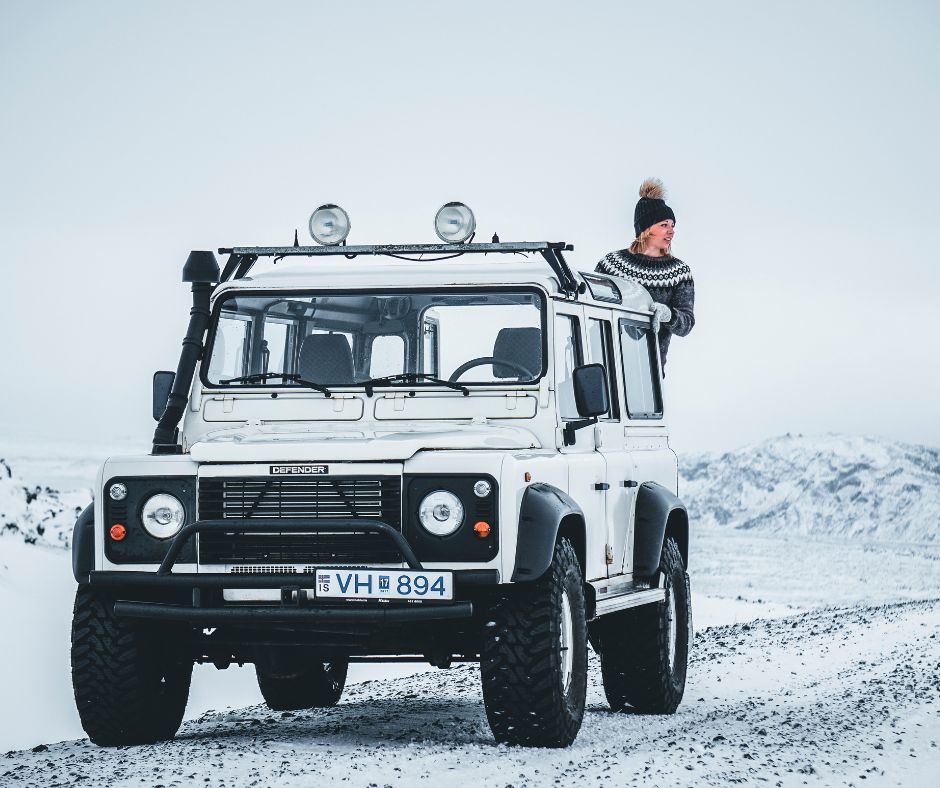
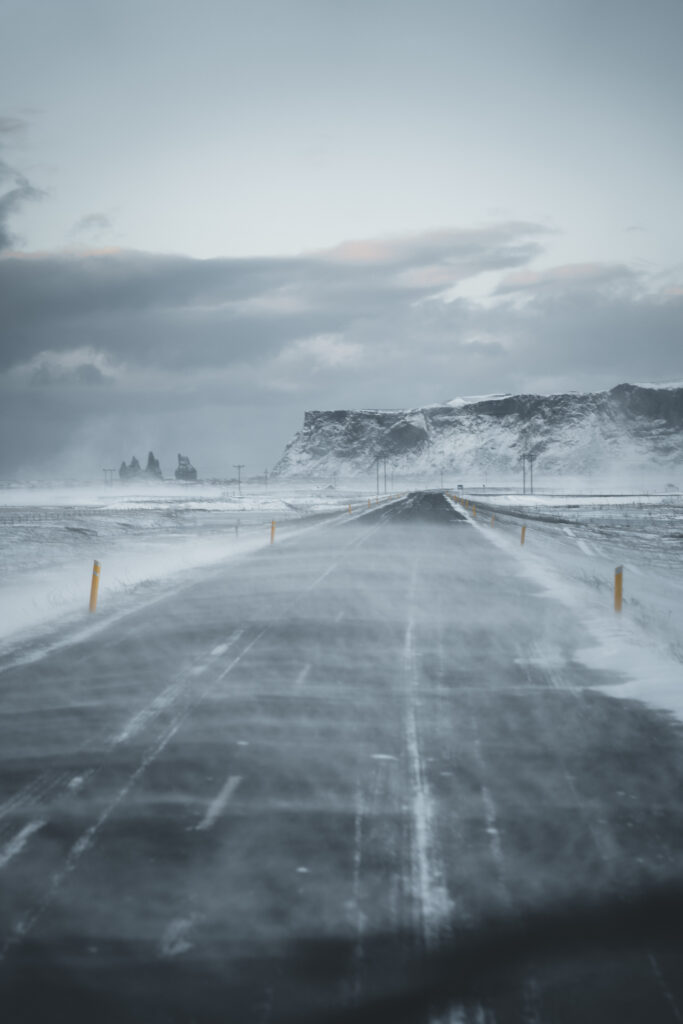
If you’ve never driven in winter conditions, and I mean REAL winter conditions (snow, strong winds, ice…), then Iceland is NOT the place to give it a whirl for the first time!
I’m used to driving in winter… hello! I grew up in the upper Midwest.
But winter driving in Iceland has its own unique set of challenges.
One of the most terrifying driving experiences of my life was in February in the Snæfellsnes Peninsula.
I’m talking about blizzards, black ice, knuckles aching because I was gripping the steering wheel so hard…
And before you ask, yes I did check the weather conditions before I left. But, as I mentioned before, the weather in Iceland can change in the blink of an eye.
It obviously isn’t ALWAYS like this. And I still believe nothing beats the freedom to stop and explore hidden gems and adjust your itinerary on a whim. You just can’t do that with an organized tour.
That said, you HAVE to be prepared, take all the necessary precautions, and understand all the travel warnings to make your driving experience here a safe one.
👉 The takeaway: If the idea of driving in snow and intense weather makes you feel a bit queasy, you might want to book tours instead, or opt for another season. But if you’re used to it, I still think the best way to see the country is to rent a car and take a road trip.
I love that Blue Car’s rental cars are fully winter-ready, complete with studded tires with extra grip and a 24/7 emergency hotline. Being a local Icelandic company, they have an in-depth understanding of the road conditions.
👉 Blue Car Rental discount code: If you’d like 5% off your total rental price, use my VIP link – no code needed!
6. Are You Willing to Invest in Proper Winter Gear?
Your beautiful, yet flimsy Michael Kors coat is not going to cut it in the winter. I had to find that out the hard way!
Iceland winter fashion is not about trying to look cute!
You must have the right winter gear if your experience is going to be a good one.
But good quality winter gear is expensive if you don’t already own some key items and have to buy everything.
I always prefer buying quality items over time, because it’s an investment and once you have it, it’ll last for years.
However, there is the option to rent some of these in Iceland and save some money.
IcelandCover is a company that rents high-quality jackets, boots, pants and more. The items are put together by people who actually live here and understand what works and what won’t in Iceland’s weather. Bonus: no bulky boots or parka in your suitcase means more room for Icelandic souvenirs!!
💥 Get 10% OFF your rental with my special discount code 👉 ICELANDWITHAVIEW
Non-negotiables on your packing list for Iceland in winter would be a wind and waterproof parka, thermal layers, and high-quality footwear. Remember when I said everything is covered in ice? Well, another must-have item for Iceland in the winter is crampons.
Just slip them over your boots for extra grip on the ice. They make a huge difference on slippery sidewalks and frozen trails, and they’ll save you from a few close calls!
👉 The takeaway: Iceland winter gear needs to be heavy-duty. If you want to know what to wear in Iceland in winter in a nutshell… it needs to be windproof, waterproof, and thermal. Anything less won’t hold up against Iceland’s weather, so it’s not worth the luggage space!
So, are you willing to spend a bit on proper winter gear? If not, you can rent it when you arrive. Just know that it’s an extra expense. If you’d rather put that money toward other parts of your trip, summer might be a better call.
If you’re wondering what else to pack for Iceland winter weather, you’ve got to check out my Ultimate Iceland Packing Guide!
💡I’ve got you covered with packing checklists for summer and winter. Weather information, a layer cheat sheet, and my recommendations for the high-quality gear you’ll need, from footwear and Iceland winter jackets to thermal layers.
You’ll also get some local wisdom from yours truly!
7. Do You Want to Be in Iceland Over Christmas & New Year’s?
If you’re planning your trip in December or January, this one’s for you.
It’s one of my favorite times of year, and I feel like a kid again, totally giddy over the holiday festivities!
Reykjavík is unbelievably beautiful with all the lights and Christmas decorations.
You’ll get an authentic feel of Icelandic culture with all their special traditions like the Yule Lads, the Icelandic Book Flood, all the yummy Christmas buffets and markets that happen throughout the season.
New Year’s Eve celebrations are spectacular with bonfires and fireworks. Icelanders really don’t hold back this time of year!
Just keep in mind if you do choose to go over this time, a lot of places will be closed over certain holidays, and you need to decide if that’ll be worth it for your trip.
I go into a lot more detail about what days things close and how to plan a trip over the holidays in this post. 👇
➡️ READ: Why Christmas in Reykjavík Ruined Christmas Everywhere Else for Me
👉 The takeaway: Christmas and New Year’s in Iceland are huge! Reykjavík is buzzing with activity and you’ll be able to enjoy many festivals and events in Iceland during the holidays. On the downside, shops and sites tend to close for a few days. If you’re not willing to miss any days of sightseeing, I’d go at a different time.
8. Are You Okay With Last-Minute Changes to Your Itinerary?
Visiting Iceland in winter means being comfortable with having a plan B and sometimes even a plan C!
Weather changes can mean canceled tours or having to drive very slowly. And road closures can force you to remain put.
If you’re someone who tends to short-circuit when things don’t go according to a set plan, this will be a challenge for you.
Winter travel means being flexible. Don’t plan too much driving in a day, and check out all the things you can do in bad weather if plans need to shift.
One of the best tools you can have with you when bad weather hits is my Iceland Travel Map.
If roads are closed and you have to re-route, you’ll be able to check your digital map and see what else is close by.

👉 The takeaway: I’d say you need to be flexible whenever you travel to Iceland, but even more so in winter. Have a backup plan for activities you can do in bad weather like museums or geothermal pools.
If you’re a Type A personality and don’t do well with having things change at a moment’s notice, winter will test your limits! Do you really want to be pushed to your limits on holiday? 😊
9. Do You Prefer a Quieter Trip With Fewer Crowds & Lower Prices?
Don’t get me wrong, I love people. But there are times when all you want to do is get a good picture, looking cute with a waterfall behind you… without having to wait 15 minutes for the crowd to clear!
Is that too much for a girl to ask for?
The good news is that winter is off-peak season, so there’ll be a lot fewer crowds at popular sites than in the warmer months.
Other than being less crowded, winter means that you’ll usually be able to score deals on flights, accommodation and tours.
And who doesn’t love a good discount?!
👉 The takeaway: The major sites are notoriously busy in summer. If you’d like to take a photo without having to wait ages for people to clear out of the way, or enjoy lower prices all-round, then winter’s got this one!
10. Are You Okay With Some Places Being Off-Limits?
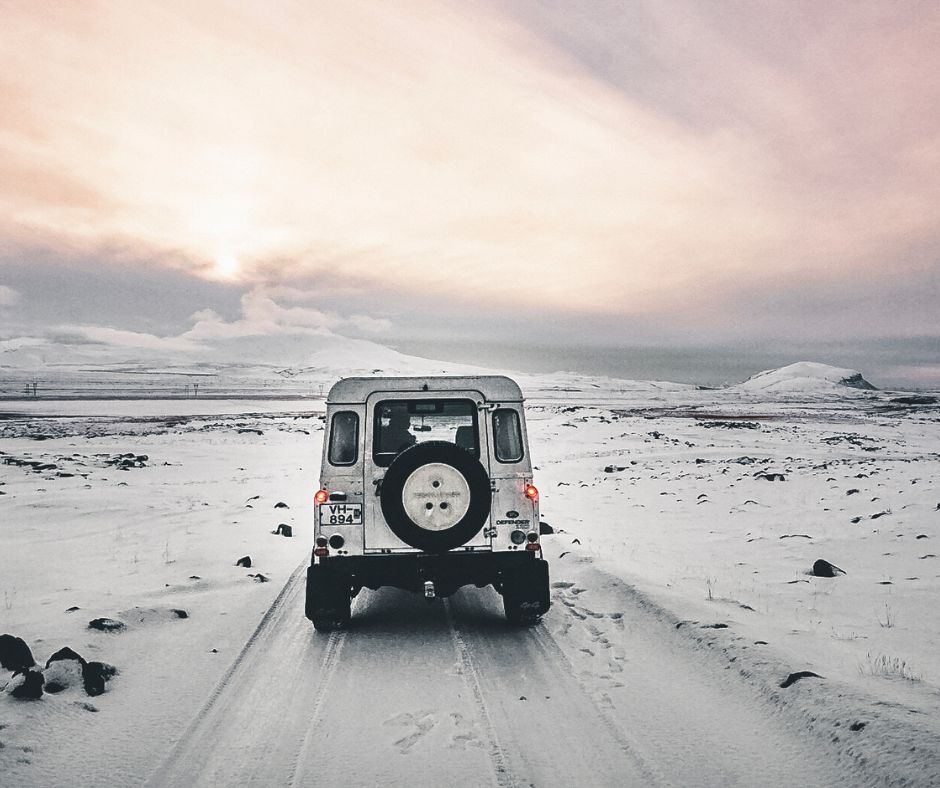
The rugged F-Roads that lead inland to the Highlands are closed to private travelers in winter, and some roads in the Westfjords are restricted too.
These regions aren’t on most people’s radar, but if they’re on yours, let me be the bearer of bad news and say… they’re not easy to reach in winter.
If you’re an avid hiker and want to make the most of all the amazing hiking trails Iceland has to offer, know that you won’t be able to enjoy a lot of the trails either. Rather, stick to a summer trip.
👉 The takeaway: You can still do popular areas like the Ring Road, South Coast, and Iceland’s Golden Circle in winter. The Highlands and a lot of major sites like Glymur waterfall are off-limits.
11. Is Visiting an Ice Cave on Your Bucket List?
One of the best experiences I’ve ever had is going on a glacier hike and ice caving in Iceland.
When I first moved here, this was ranked as one of the top five things I wanted to experience. So when I finally booked the tour, I was ecstatic that it was everything I’d hoped for!
You know all those photographs you see inside the ice cave with the different colors and hues of blue… it’s not Photoshop. That’s what it really looks like in there!
It’s hard to put it into words. I feel like it’s one of those things you need to experience for yourself to understand just how amazing it is.
Natural ice cave tours only run in the winter, so if this is high on your to-do list, plan a winter trip.
Because the location of these caves changes from year to year, you’ll have to take it with a tour guide. They’re also trained on all the safety precautions, so it’s not something you can do on your own. Under any circumstances!!
It does add to your expenses. In my personal experience, it was well worth it, but you’ll have to see what’s on your priority list.
👉 The takeaway: If you’re sitting there thinking, oh my goodness, one of the main things I want to do in Iceland is go into a natural ice cave, it’s a winter-only experience.
FAQs
If we haven’t exhausted all the questions you need to know, here are a few more! 😀
Should I Visit Iceland in Winter vs Summer?
Winter is an incredible time to experience Iceland. But each person has their own expectations for their trip. Getting clear on things like daylight hours, weather, what you want to see and how long your trip is will help you decide if it’s the right choice for you.
For a detailed breakdown, check out the best time to visit Iceland for a detailed comparison of each season.
Is Winter Camping in Iceland Possible?
Yes, camping in Iceland in the winter is technically possible, but I would not recommend it. A lot of the campsites close over this time and the weather can make it incredibly challenging.
Imagine being caught out in a blizzard. No thank you. If you rent a campervan, it’ll help you brave the elements better, but if you want my honest opinion, I’d leave camping for the summer months.
How Cold is Iceland in Winter?
Iceland’s winter temperatures range from 28 – 40 degrees Fahrenheit (-2 to 4 degrees Celsius).
Before I experienced a winter here, I honestly thought that it would be colder than that.
Now, granted, I did grow up in Wisconsin, so I’m used to freezing conditions! But even if you’re not, I think you’ll be surprised by the temperatures on your Iceland winter road trip.
Please don’t get me wrong though. The conditions can be harsh, and the wind chill is nothing to scoff at!
If you want a better idea of how cold Iceland actually feels, this blog post is super helpful. 👇
➡️ READ: How Cold Is Iceland? What the Temperature Says vs. What It Actually Feels Like
How Does a Done-For-You Iceland Winter Itinerary Sound?
If you’re more convinced than ever that a winter trip to Iceland is for you, but don’t know where to start planning, that’s what my Winter Iceland Itineraries are for.
Planning a trip to Iceland in winter is NOT the same as a summer one!
You have limited hours to explore, some areas are inaccessible in the winter, and you’re not sure how long it takes to get from place to place.
When you’re in a foreign country, having a planned itinerary with suggested routes and activities is like having a personal tour guide.
It’s an incredibly helpful resource to have!
All you need to do is open up your guide to that specific day, and everything will be planned out for you.
It includes:
- A pre-planning checklist
- A detailed daily itinerary with driving times
- A digital map with over 1,500 pinned locations of the main sights, gas stations, grocery stores, hidden gems, etc.
But what if you don’t want to follow it EXACTLY?
You don’t have to. You can use it as inspiration and adjust it as you want, IF you want.
👉 Check out my Winter Iceland Itineraries and take the stress out of planning your winter trip to Iceland.
Embrace the chill and get ready to be blown away by the impressive beauty of Iceland in winter.
Happy Planning!