If you’ve ever wondered what life is really like in Iceland vs the U.S.A., the differences might surprise you.
As someone who grew up in the States but now calls Iceland home, I’ve noticed big contrasts, from culture and travel planning to alcohol prices, cost of living, and everyday life.
These are the details most travel guides skip, but they can affect how you experience Iceland.
Stick around, and you’ll know exactly what to expect on your trip.
Let’s get into it!
Iceland vs USA: An Overview

Here’s a bird’s-eye view of how Iceland and the United States compare on a few key areas:
Size and population: The total land area of Iceland could fit inside the U.S. more than 95 times! The United States has over 340 million people, while Iceland has around 400,000.
Currency: Iceland uses the Icelandic króna (ISK). Credit and debit cards are accepted almost everywhere, so you won’t need much cash. Right now, 1 USD equals about 127 ISK.
Climate: The U.S. has just about every climate under the sun! From Alaska to Florida, the weather can be completely different wherever you go. Iceland, on the other hand, has some slight regional differences, but overall the climate is pretty consistent across the country. It’s known for its harsher, more unpredictable climate, which is cool and windy. The summers have near-endless daylight, while the winters are very dark.
If you’re curious about the best time of year to visit Iceland, you’ve got to check out this post.👇
➡️ READ: Best Time to Visit Iceland: How to Pick the Perfect Month + Season for Your Trip
Iceland vs USA: Some of the Top Differences You’ll Notice
Other than the obvious geographical and weather differences, there are others too. Let’s take a closer look, shall we?
1. U.S.A. vs Iceland Culture and Traditions
This is a pretty broad topic, and I’m definitely not covering everything, but these are some of the cultural and social differences that really stood out to me when I first moved from the U.S. to Iceland.
Icelanders Are More Reserved
While Americans are more extroverted and chatty, you’ll notice that Icelanders tend to keep a little more to themselves.
Now, that doesn’t mean they’re unfriendly by any means!
They’re some of the loveliest people I’ve ever met.
But don’t be surprised if they seem a bit more reserved or just different from what you might be used to in the U.S.
The Importance of Icelandic Folklore
Folklore is deeply ingrained into Icelandic culture.
It’s more than just old stories; it’s part of everyday life.
Tales of elves, hidden people, yule lads of Iceland, and trolls have been passed down for generations, shaping the nation’s respect for nature and the unseen.
Even today, you’ll find locals who pause construction projects to avoid disturbing “elf rocks” or who grew up hearing bedtime stories about mythical creatures.
This was totally foreign to me when I moved here from the States, but it’s one of those things that’s just so charmingly Icelandic!
Language in Iceland
You might be surprised to know that even though the official language is Icelandic, English is widely spoken in Iceland.
The Icelandic language itself is pretty interesting, and many words do not sound how they look… like, at all! 😂
I have a few videos that can help you out with pronouncing the names of famous places and landmarks in Iceland. Check it out.👇
Culture and Pools in Iceland
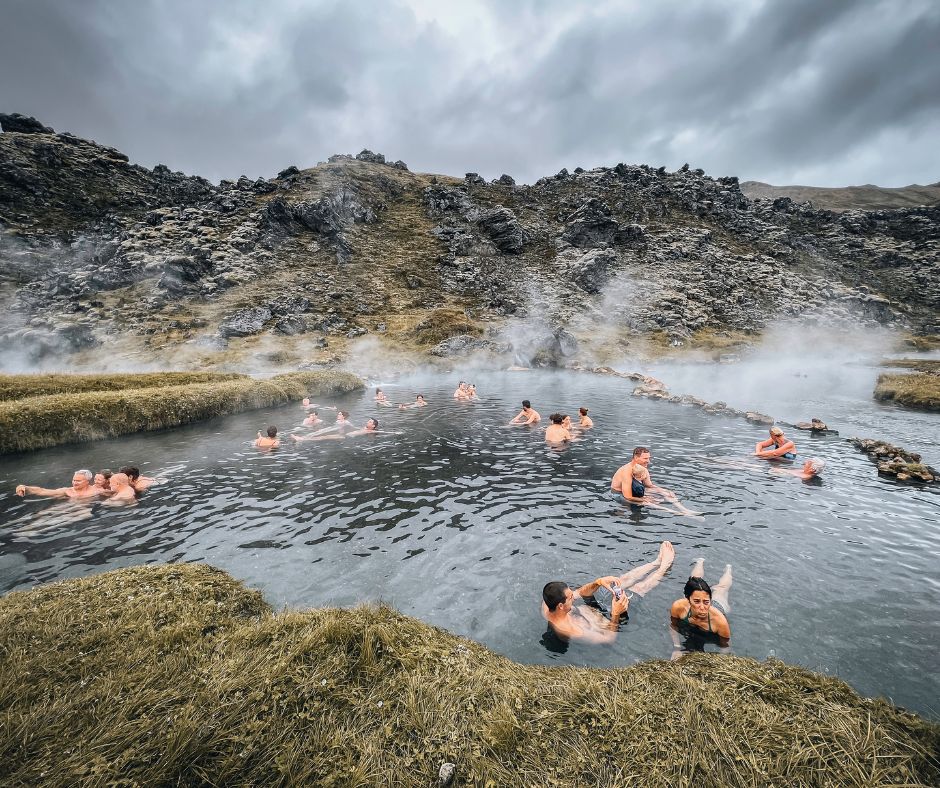
From actual pool centres to hot springs and geothermal spas, pool culture is a really big thing in Iceland.
They’re places where locals go to socialize, relax, and spend quality time with friends and family.
Another thing to note is that nudity is not such a big deal in Iceland.
Nakedness is much more taboo in the States.
I mention this because showering naked in Iceland before entering the public pools is mandatory. Even though showers are communal, there’s almost always a private changing stall if you want extra privacy.
If you’re looking to learn more about pool culture and maybe even visit a local pool in Reykjavík, learn more about them here.👇
➡️ READ: Top 12 Pools in Reykjavík You Need to Visit
Icelandic Names
When you come across locals on your trip, you’ll find that the names in Iceland are very traditional.
In the U.S. you can choose whatever name you want (from Elizabeth to Apple), but here, there is an Icelandic Naming Committee that has to approve the baby name.
Pretty wild, right?!
2. Travel Planning + Road Trip Differences
Here are a few things to keep in mind if you’re planning a trip in Iceland vs U.S.A.
Operating hours: Grocery stores, pharmacies, restaurants, Museums in Iceland and some visitor centers like the one at Þingvellir National park typically open later and close earlier. So, always check this when you plan on visiting.
Buying medicine in Iceland: Always bring your prescription medication with you. Over-the-counter options in Iceland are limited, unlike the U.S., where you can grab cold medicine, Ibuprofen, or decongestants at any Walmart or CVS.
If you start feeling run-down, grabbing medicine on the fly isn’t really an option here. So packing well matters.
That’s why I created the 👉 Ultimate Iceland Packing Guide.
It’s got everything you need: seasonal packing lists, must-haves like medication and electronics, a layering cheat sheet for what to wear, and more.
Download your FREE PACKING GUIDE below. 👇
Gas stations: When you take a road trip across the U.S., you can expect fuel stations often. Iceland gas stations, on the other hand, not so much. Fuel up whenever you see one because the last thing you want is to be stranded in the middle of nowhere!
No rest areas: In the U.S there are designated areas on the side of the highway. They usually have parking spaces, vending machines, toilets, and a map of the area. Those don’t exist in Iceland. Your destination IS your rest area. 😂
Check out some more planning differences between Iceland and the USA.👇
Planning is non-negotiable: You can’t wing it when you travel to Iceland. Unlike other destinations, services and amenities can be few and far between. The weather can change in an instant, and there can be road closures, making some areas inaccessible in winter.
Even something as simple as finding a restaurant can be tricky if you’re outside Reykjavík.
That’s why you need to have a solid plan. Not just for logistics, but for maximizing your time so you can actually enjoy the sights instead of stressing over where to go next.
With my 👉 Iceland Maps + Guidebook, you’ll have everything you need at your fingertips: digital maps with pinpointed locations for grocery stores, gas stations, parks, and restrooms, plus detailed guides covering famous landmarks, hidden gems, and insider tips.
Planning has never been easier!

3. Differences in Dining + Food in Iceland
Once you leave Reykjavík, restaurants aren’t exactly around every corner, so keep this in mind when planning your Iceland itinerary.
Curious how Iceland vs the U.S.A dining stacks up? Here’s what to know:
Asking for the Bill
In Iceland, you’ll usually have to ask for the bill at a restaurant.
Dining here is much more relaxed, people linger over their meals and enjoy each other’s company. Restaurants aren’t rushing to turn tables.
So don’t be surprised if you finish eating and think… “Where’s the bill?”
Most of the time, you’ll pay at the front.
Even if the server brings the bill to your table, they won’t walk away with your card (it’s actually illegal for them to take it out of your sight). That’s why you’ll often just head up to the front to pay when you’re ready.
In nicer sit-down restaurants, they’ll usually bring the card reader to your table so you can tap and settle the bill right there.
On the other hand, when I talk to my Icelandic friends who’ve traveled to the U.S., they’re always shocked at how quickly the server brings the bill.
Here are a few more ‘weird’ things Icelanders think Americans do. 👇
Tipping in Iceland
This is something that throws a lot of Americans off, but tipping in Iceland is not required.
Servers are paid a standard wage in Iceland, so tipping isn’t expected.
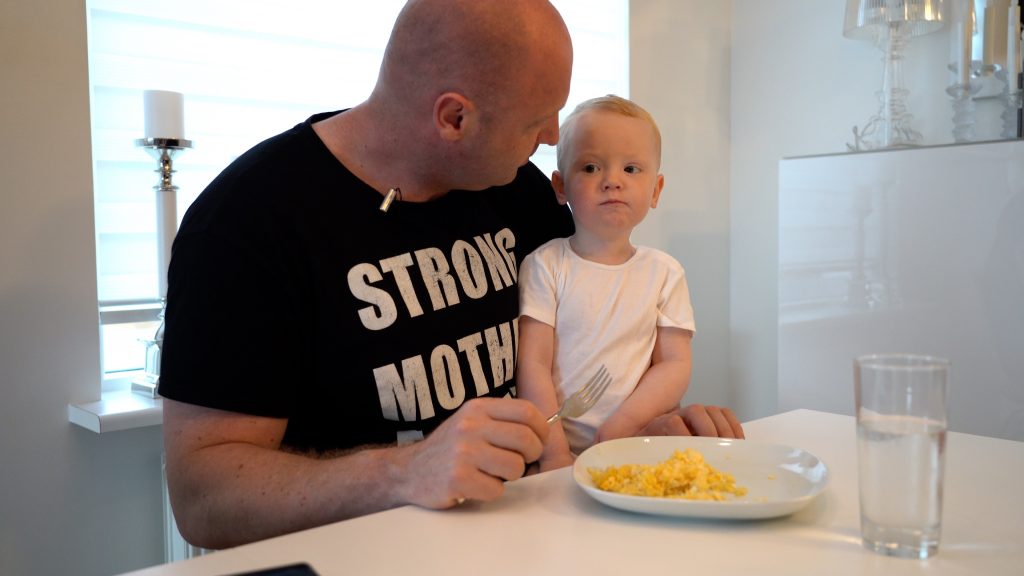
Breakfast in Iceland vs the USA
If you’re used to having elaborate American breakfasts with all the bells and whistles, just know that breakfast foods in Iceland are a little different.
A typical Icelandic breakfast is made up of cold, fresh ingredients like veggies, cheese and cold meats. You’ll also find yogurt, muesli, and hard boiled eggs.
Tourism has definitely influenced how breakfast is served, mostly in Reykjavík. But, in general, portion sizes are smaller in Iceland than in the U.S. as well as the type of foods served at breakfast.
Most restaurants don’t open super early, so if you plan on grabbing a hearty breakfast before heading out, either book accommodation with breakfast included or have a self-catering option.
That said, Reykjavík has some great breakfast options.👇
➡️READ: Breakfast in Iceland: Top Eateries, Expert Tips, Breakfast Culture & More
Tap Water in Iceland
Buying water in Iceland isn’t really a thing, maybe at a gas station or tourist shops. You can still ask for water at a restaurant, but it’ll just come in a large carafe with free refills.
Water here comes straight from natural springs and glaciers, making it exceptionally pure and chemical-free.
In the U.S., tap water is often treated with chlorine or fluoride and varies in taste and mineral content depending on the region.
Icelandic water tastes fresh and clean, whereas U.S. water can have a treated or more chemical flavor.
4. Alcohol
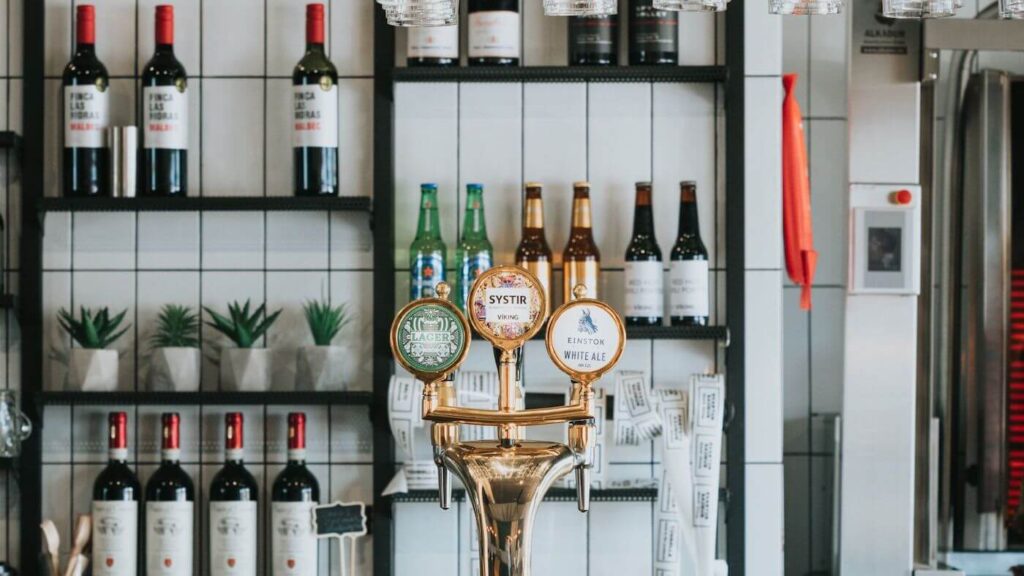
If you’re planning to enjoy a drink or two in Iceland (or just curious about how it all works here), there are a few things worth knowing.
Legal Drinking Age
The legal drinking age in Iceland is 20.
A question I get a lot from families is: “Jeannie, can my 17-year-old come into a bar with us if they’re not drinking?”
The short answer is… it depends.
Usually, bars will allow anyone who is 18 and older. But for nightlife (like late-night clubs or busy weekend bars), they’re stricter and will check IDs.
Always double-check before you go, but as a general rule, if the spot serves meals along with drinks, families are usually fine.
Explore this 👉 Reykjavík Food & Drink Guide: The Best Foodie Hot Spots In Iceland’s Capital for the must-try places.
Price of Alcohol in Iceland vs U.S.A
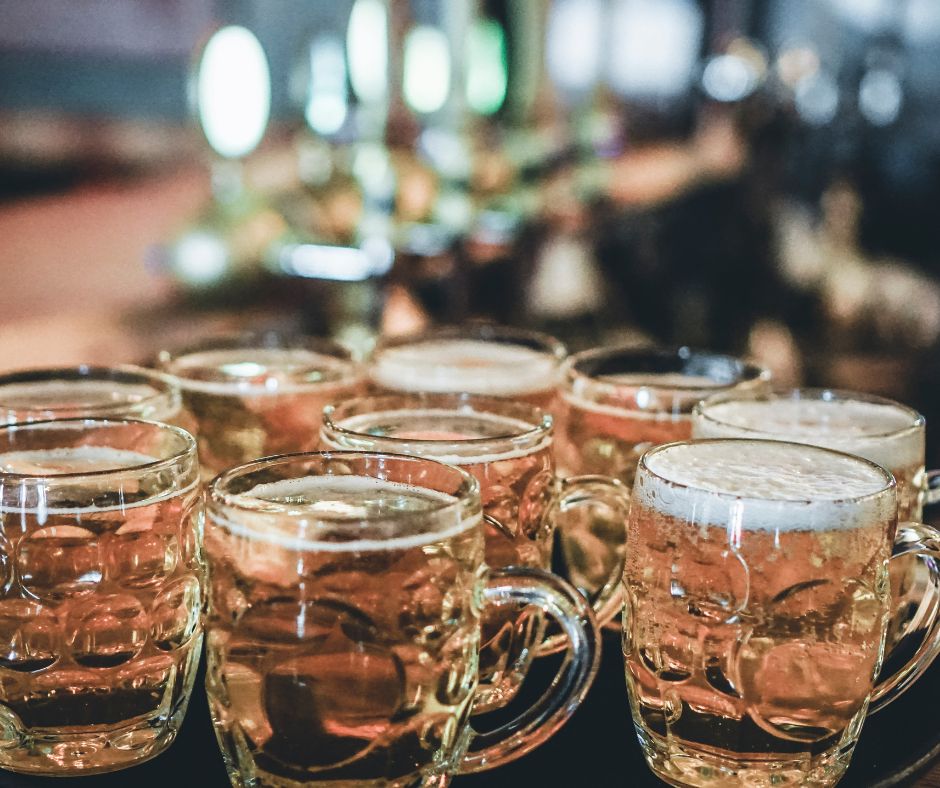
Something else you need to know is that alcohol in Iceland is really expensive.
Not just at the bars, but at liquor stores as well.
The reason for this is that the Icelandic government has a monopoly on alcohol sales.
Buying water in Iceland isn’t really a thing, maybe at a gas station or tourist shops. You can still ask for water at a restaurant, but it’ll just come in a large carafe with free refills.
Yes, alcohol is pricey, but it won’t stop anyone from having a great time!
Pro tip: I always recommend buying alcohol at duty-free after landing at Keflavik airport.
For more insider tips on what to do when you arrive, I created a free Iceland Arrival Guide of everything you need to know about navigating the airport when you land in Iceland.
Including where to find duty free.
I’ve even included suggestions on how to spend your first day here.
Get your 👉 FREE Iceland Arrival Guide sent right to your inbox.👇
5. Shopping + Grocery Stores in Iceland vs U.S.A
Shopping works a little differently here, and if you’re coming from the U.S., you’ll notice a few surprises right away.
Here’s what I mean…
Differences in Operating Hours
This one threw me for a loop when I first arrived in Iceland.
The store hours here are nothing like what you might be used to in the U.S.
They all close surprisingly early, even grocery stores and gas stations!
I remember walking up to a store one evening thinking, “Wait… it’s 6 p.m., and it’s closed? What if someone forgot to buy milk?”
Nope. Too bad. Come back tomorrow. 🤷🏼♀️
In general, expect stores to open later in the morning and close much earlier in Iceland vs the U.S.
“late-night errands” aren’t really a thing in Iceland. In Reykjavík, a few places like Hagkaup and 10–11 stay open later, but they’re the exception, and you definitely won’t find that outside the city!
Grocery Stores in Iceland
Other than different operating hours, here are some other ways that the grocery stores in Iceland differ:
Limited selection and smaller quantities: Ingredients and products can be harder to find, and a lot of goods are imported. Not everything is available year-round, and there are often less brands in each category. Even things like yogurt often come in smaller, single-serve packs instead of the big tubs you’re probably used to.
Prices: Costs can vary, but in general, Iceland tends to be more expensive than the U.S., partly because of import taxes.
Local products: One of the things I like is finding local products like meats, vegetables, and dairy. Don’t expect to find the usual U.S. snacks here, since many ingredients are banned (yikes!). I actually don’t mind the limited selection or higher prices because the quality is generally much better.
If you’re interested in finding out more, watch the video below.👇
6. Money + Cost of Living in Iceland vs U.S.A
Let’s talk money, because this is one area where visitors from the U.S. often get sticker shock.
There’s no sugarcoating it, Iceland is expensive!
Imported goods, high taxes (oh my word, the taxes!), and isolation all play a role. Groceries, dining out, and especially alcohol are noticeably pricier here.
That said, you can still explore smartly with money-saving hacks if you want to travel Iceland on a budget.
Iceland also has a comprehensive healthcare system, and higher education is much more affordable than in the U.S.
Pro tip: It’s helpful to know that VAT is built into store prices. That means when you see a price on an item, that’s what you’ll pay.
No surprise sales tax at checkout like in the States!
For an in-depth look at the cost of living in Iceland, you’ll want to read this.👇
➡️ READ: How Much is the Cost of Living in Iceland? Groceries, Housing, Transport, and More
Maternity Leave in Iceland
Iceland wins hands down when it comes to maternity leave!
In the U.S., there’s no universal standard. Some new moms don’t even get paid leave, and maternity leave is typically only 6–8 weeks.
In Iceland, it’s a completely different story.
Each parent gets six months of leave, with six weeks transferable between them. And here’s the part that always shocks people: parents receive 12 months of paid leave at 80% of their average income.
Mind. Blown.
If you’ve ever considered making the move to Iceland, here’s what you need to know.👇
➡️ READ: Want to Move to Iceland? Here’s What You Must Know Before Packing Your Bags
7. Homes in Iceland vs U.S.A
There are a lot of differences when you compare Icelandic homes to those in the U.S. Some of them might surprise you!
Well-built: For starters, Icelandic houses are built tough. Between the earthquakes, wind, and crazy weather, most homes are made of concrete instead of wood. Inside, you won’t find carpet anywhere. It’s all hardwood or stone, ceramic floors (and usually heated floors thanks to Iceland’s amazing geothermal energy).
Oh and heated towel racks? Also a thing. 😍
Size: Homes here tend to be smaller, especially in Reykjavík where most people live in apartments or condos. That means smaller appliances, compact washers, and tiny fridges, which definitely take some getting used to.
Design: Design-wise, think minimalist and modern, but with that classic Nordic twist of bringing the outdoors inside. Expect clean lines, neutral tones, cozy textures like wool blankets and sheepskin stools. Sometimes even touches of nature are incorporated in the design (I’ve seen moss framed like a little terrarium!). Basically, an IKEA catalog with a warmer, earthier feel.
Electrical Outlets in Iceland vs the US: Iceland uses the Standard European Plug with a type C or F socket, and in the States, they use type A and B. It’s also super important to note that the electricity here operates at 230 volts.
Not sure what plugs, adaptors, or converters to bring to Iceland? Everything you need to know is here.👇
➡️ READ: The Definitive Guide to Iceland Plugs, Outlets, Adapters & Converters!
All in all, Icelandic homes are simple, cozy, and built for the elements, and once you get used to it, it’s hard not to love how practical everything is. Take a look.👇
8. Dating + Relationship Differences
Dating in Iceland vs U.S.A is definitely more casual.
First dates are usually super low-key, think coffee shops or grabbing drinks instead of a fancy dinner with flowers and grand gestures.
Icelandic women also don’t wait around for the guy to make the first move; they’re just as likely to ask someone out as the other way around.
Getting married isn’t as much of a cultural expectation in Iceland either, hence the lower marriage rate.
If you are planning on visiting Iceland with your significant other, this post lays out everything you need to know for a romantic trip.
➡️ READ: INSERT NEW BLOG TITLE
Want More Iceland Tips Like These?
And that’s the rundown! From culture and dining to housing, Iceland vs U.S.A is a pretty fascinating comparison.
Understanding these differences can make a huge difference in how you plan for and experience your trip.
If you love learning the little-known details about Iceland, you’ll love my weekly emails.
👉 Sign up for my FREE NEWSLETTER, full of cultural insights, local news, festival alerts, exclusive discounts, and fresh blog posts.
See you on the inside. 💚
Happy Planning!