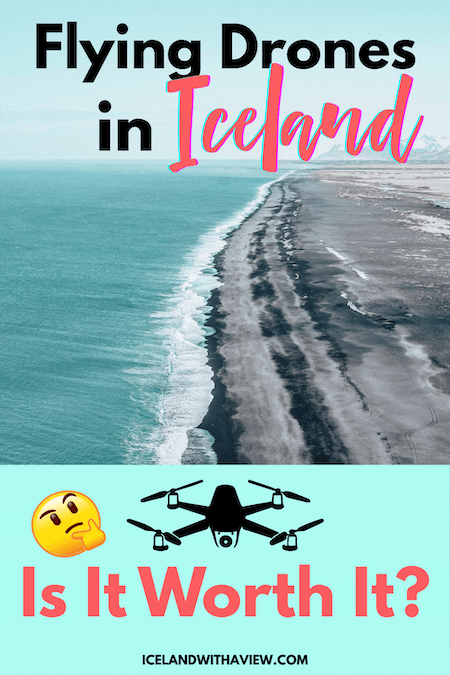
You’ve seen those perfect aerial shots taken by drones in Iceland, right?
Of course, you have!
(That’s probably why you’re here! 😉)
I bet you’ve spent hours scrolling through stunning footage, daydreaming of capturing your own epic shots.
But here’s the catch: drone flying in Iceland isn’t as simple as it seems.
Between unpredictable weather, strict regulations, and a growing number of no-fly zones, it can be a bit of a gamble.
So is it really worth bringing one along?
And how do those photographers seem to nail those perfect shots despite Iceland’s tricky lighting?
(No, it’s not magic – though sometimes it sure feels like it!)
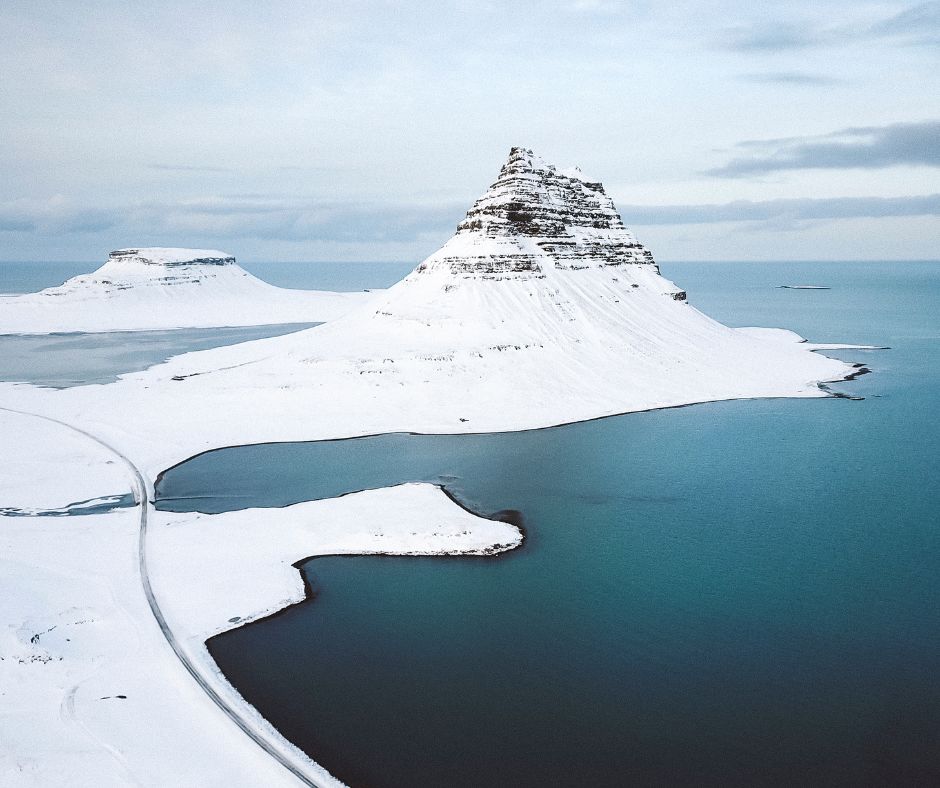
Iceland’s landscapes are some of the most breathtaking in the world, which is why so many travelers are eager to capture them.
But before you toss your drone into your travel bag and take to the skies, here’s what you need to know…
Let’s get into it!
Table of Contents:
- 5 Things to Consider Before Flying Drones in Iceland
5 Things to Consider Before Flying Drones in Iceland
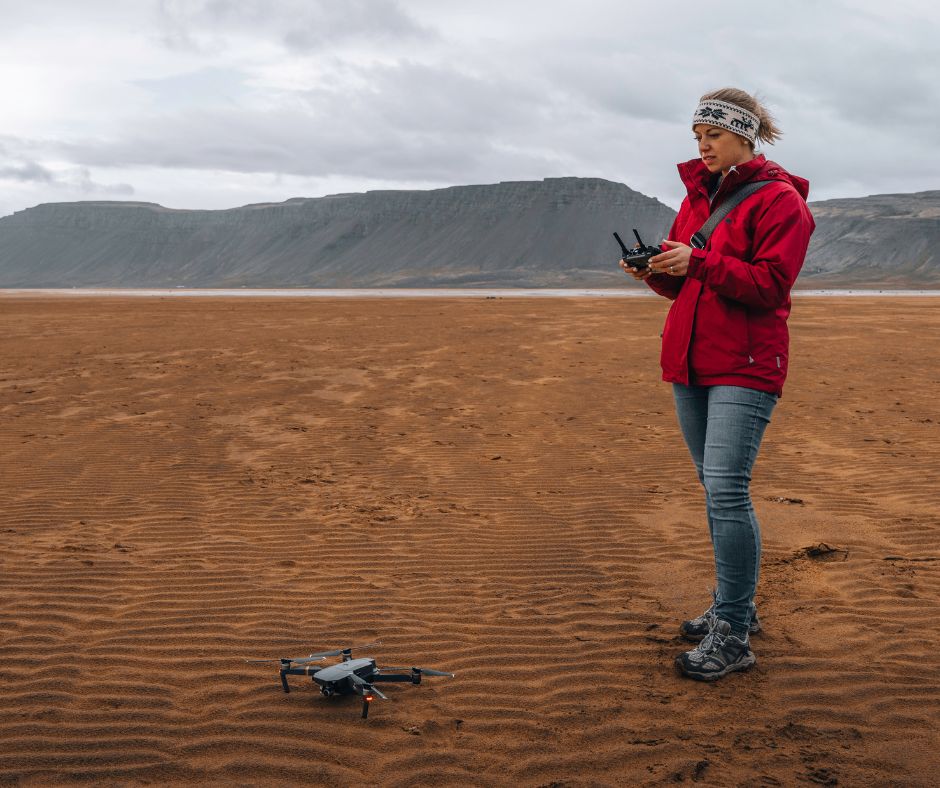
With views like Iceland’s, it’s no wonder drones are at the top of every travel photographer’s packing list.
Especially if you’re hoping to get those beautiful aerial shots.
Here are a few things to help you decide whether bringing a drone to Iceland is the right choice for you.
1. Understand No-Fly Zones, Permits + Regulations
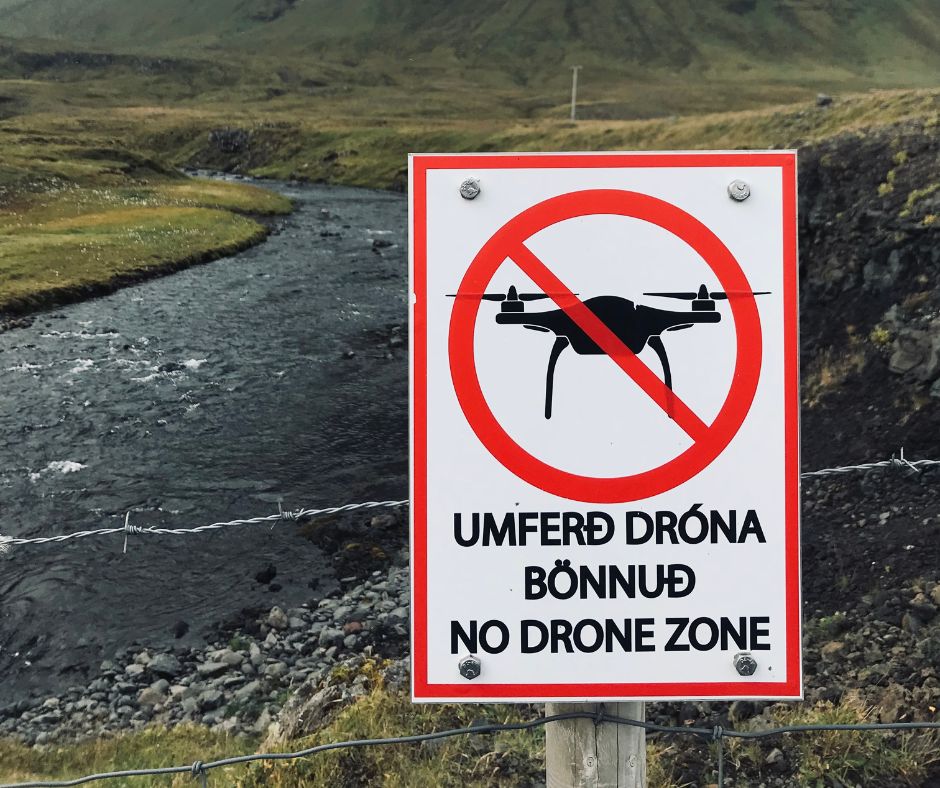
The first thing you need to know is that there are a lot of “no-fly zones.”
By “no-fly zones,” I mean that drone flying is strictly prohibited in certain areas.
These zones are popping up more and more all over the country, so it’s something to keep in mind.
Luckily, these zones are usually clearly marked, so it’s quite clear where flying is off-limits.
Popular no-fly zones include Skógafoss, Vatnajökull and Þingvellir National Parks, Jökulsárlón glacier lagoon, and Reynisfjara Beach, to name a few.
Why the Restrictions?
It’s any traveler’s dream to capture Iceland’s insanely beautiful landscapes from above, so why the strict rules?
Noise Pollution: Let’s be honest, a drone buzzing loudly overhead is sometimes just plain annoying. Especially when all you want to do is take in the natural beauty Iceland is known for… in peace!
Preserving the wildlife and nature: You’ll find a lot of birds and other animals around popular spots. Drones can be a danger to them, disrupting their habitat and behavior, especially around nesting areas.
Bottom line: If it’s signposted not to fly your drone, don’t fly your drone!
Permits + Drone Regulations in Iceland
Even though Iceland has its own set of rules around flying drones, it must also comply with European Union drone laws.
Drones are grouped into three categories based on their weight and how they’re used. And each category has its own set of regulations to legally fly a drone in Iceland.
If your drone weighs over 250 grams, you’ll need a drone permit in Iceland.
This is done through the Icelandic Transport Authority (ITA).
Also, note that the maximum allowed altitude is 394 feet (120 meters).
Commercial or research use pilots will need to get permission before flying their drones in Iceland.
There are also regulations for drone use in urban areas.
If you want to snap aerial shots in the capital. One Reykjavík drone law states that you’re not allowed to fly one higher than any of the closeby buildings.
Pro tip: There’s a whole list of regulations, so ALWAYS check with the Icelandic Transport Authority for up-to-date guidelines on Iceland’s drone laws to avoid fines or worse, arrest!
2. How Extreme Weather Conditions Affect Flying Drones in Iceland
It wouldn’t be an Iceland blog unless we mentioned the weather at least once!
Yes, the weather here can be intense. You can expect wind, rain, and cold. Not quite the best combination when operating electronics.
Thankfully, I have a few tips up my sleeve… you’re welcome! 🤓
Choosing the Best Drone for Iceland’s Windy Weather
When it comes to choosing a drone, there are quite a few options to choose from.
You’ll find everything from lightweight, portable travel drones to mid-range models and even those big, expensive, cinematic rigs.
For the average traveler, a mid-range drone or something on the lighter, more compact side will be your go-to.
Personally, my drone falls right in the middle.
Now, here’s the thing:
Iceland is windy!
Even on seemingly calm days, a gust can come out of nowhere, sending your drone spiraling out of control.
*Shock horror!*
When that happens, you basically have two options: either don’t fly at all or keep your drone low and slow to reduce the risk of it getting damaged.
If you have one of those really lightweight travel drones, you might want to rethink bringing it to Iceland, or at least manage your expectations.
The reality is, you might not get as many flying opportunities as you’d like because those small drones just don’t hold up well against the strong winds.
Better to know that now, than to find out the hard way once you’re here!
I’ve found that the DJI Mavic 3 Classic is a solid drone choice for Iceland. You can check it out on my Amazon storefront along with my other favorite 👉 photography gear.
Pro Tips for Flying Drones in Iceland’s Windy Conditions:
- Avoid lightweight travel drones, they’re going to struggle with Icelandic winds.
- Keep your drone low and slow if you must fly in windy conditions.
- Be ready to land immediately if the wind speed picks up.
Your drone isn’t the only thing that needs to be ready for Iceland’s unpredictable weather – you do too!
That’s why I put together my 👉 Iceland Packing Guide.
I’ve included packing lists for all seasons, plus suggested items I personally recommend.
You’ll also find packing tips and a layering cheat sheet to make sure you’re always prepared for Iceland’s ever-changing weather!
Download the FREE PDF here.👇
How to Protect Your Drone in Rain + Wet Weather
The rain here is more of a constant, drizzly, misty kind of rain that just always seems to be there.
If you’re bringing an expensive drone (they aren’t cheap to start with), you probably don’t want to risk flying it when it’s raining.
Even drizzle can affect your drone’s performance, and repeated exposure to moisture isn’t great, especially for the lens.
That said, if it’s just a super light mist, you might get away with a quick flight.
But overall, it’s better to play it safe and protect your gear.
Pro Tips for Flying a Drone When It’s Raining:
- Consider water-resistant drones or protective covers.
- Keep flight time short to avoid overexposing your drone to the elements.
- Wipe your drone dry immediately after using it.
Learn more about my recommended rain gear in Iceland here.👇
➡️ READ: Best Rain Gear for Iceland: 5 Must-Have Items if You Want to Stay Dry
How Cold Temperatures Affect Your Drone’s Battery Life
One thing that might catch you off guard in Iceland is how the cold affects your drone’s battery life.
If you didn’t already know, cold temperatures can really zap batteries, whether it’s your phone, camera, or drone.
You might find that your battery life is cut in half – or at best, down to about three-quarters of what you’d normally expect.
That’s why it’s super important to plan ahead!
I always bring at least three batteries when I’m flying my drone in Iceland.
My system is simple: one battery is powering the drone, while the other two are charging.
That way, I always have a backup ready to go.
Pro Tips for Managing Drone Battery Life in Cold Weather:
- Bring multiple batteries.
- Rotate charged batteries during flights.
- Expect battery life to be halved in colder temperatures.
Depending on your drone model, you can expect anywhere from 20 to 45 minutes of flight time per charge, so having extras on hand can really save the day!
3. Know How Daylight Hours in Iceland Affect Drone Photography
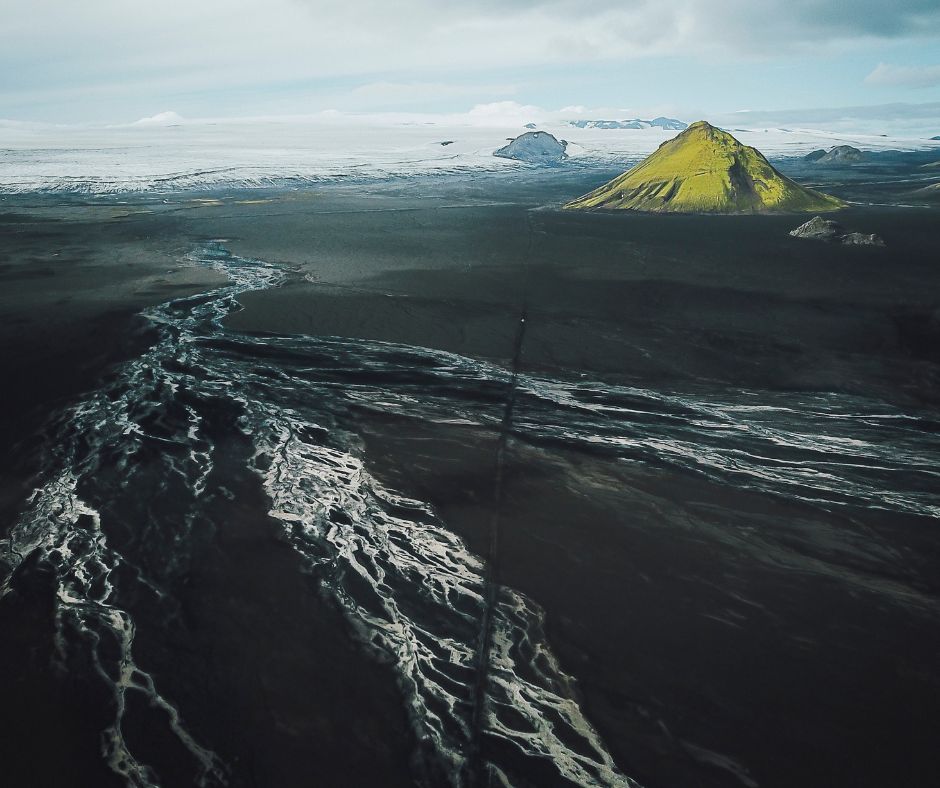
Not only are daylight hours key to planning your itinerary, but they also affect how much time you have to fly a drone in Iceland.
Depending on the time of year, daylight hours vary dramatically.
Summer in Iceland brings nearly 24 hours of light, and while that sounds great…there’s a catch.
With the sun comes harsh, direct light. I always recommend using ND filters to reduce glare and overexposure.
On the other hand, winter brings low light, which means fewer shooting hours, sometimes as little as 4 hours!
Pro Tips for Photography and Filming
- In winter, make the most of limited daylight by planning your shooting locations in advance.
- Opt for drones with good aperture control to handle low light in winter.
- Use ND filters – they’re a must in Iceland!
If you want more tips for taking great pictures in Iceland, check out this post.👇
➡️ READ: Photography in Iceland: Gear & Tips on How to Capture Stunning Photos
4. What Iceland’s Rugged Landscapes Mean for Drone Flyers
Obviously, Iceland isn’t lacking in dramatic scenery.
There are waterfalls, volcanoes, glaciers – you name it, we’ve got it!
But when you add wind plus mountains… Well, you can do the math…
It can seriously damage your drone!
One time, after an amazing hike up into the mountains to find a waterfall, I decided to send up my drone.
(His name is Floki – a.k.a. the other man in my life! 😉)
Suddenly, a huge gust of wind almost slammed Floki into the cliffside.
My heart nearly stopped!
So, between the weather conditions and the rugged landscapes, these accidents can happen, and you can lose a drone.
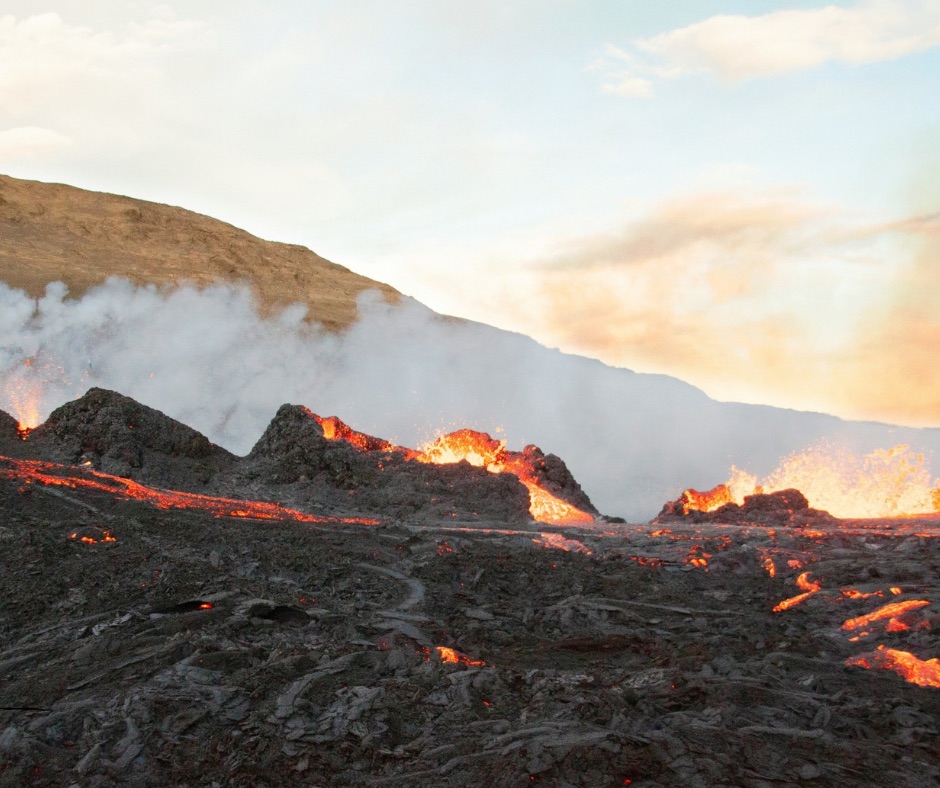
With the recent volcanic activity, many visitors are eager to fly their drones over the Icelandic volcanoes. But some have learned the hard way that flying too close to the magma can be risky.
The intense heat can cause drones to melt or malfunction, sending them straight into the crater.
Could you imagine?!
Pro Safety Tips:
- Always scout the area before launching your drone.
- Avoid flying close to volcanoes; the heat and gas can damage your drone.
- Be mindful near cliffs and mountainous areas because it’s usually windy in Iceland.
I’ve been raving about Iceland’s epic views and breathtaking scenery.
So you might be wondering… where exactly are all these epic places I keep going on about? 🤔
You’ll find them all (and so much more!) in my 👉 Iceland Map + Guidebook.
It includes each region’s must-see highlights, hotel and restaurant recommendations, and practical info like where to find gas stations, restrooms, and grocery stores.
Even better? Every location is pinned on a digital map, so you can plan your route with ease and focus on capturing the beauty around you.
From iconic viewpoints to off-the-beaten-path photo spots, my map is full of locations you won’t find in a regular guidebook.…featuring lesser-known spots that let you skip the crowds and snap some incredible, one-of-a-kind shots.
Psst… if you love a good discount, my guides are packed with them — on everything from tours to car rentals!

5. Wildlife Considerations
Drones can disturb local bird species and other wildlife in Iceland, especially around nesting areas and coastal cliffs.
To protect the natural habitat, make sure to keep your drone grounded when wildlife is present.
Plus, there’s the risk of flying your drone out too far, losing signal, and having it drop into a river.
Now you have a lost drone in Iceland AND a battery leaking somewhere in a river.
Please don’t be that person.
FAQs
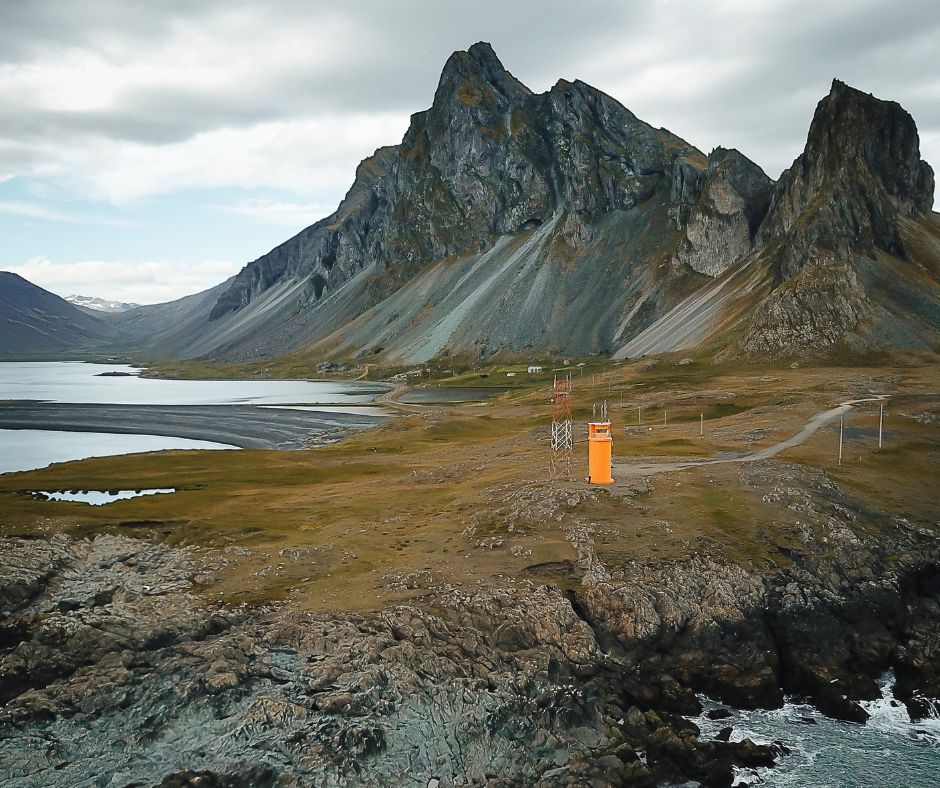
Here are a few more questions I’m often asked about using drones in Iceland.
Are drones allowed in Iceland?
Yes, they are. But flying one comes with restrictions.
Many iconic locations in Iceland are strictly no-fly zones, including popular sites like:
- Seljalandsfoss
- Skógafoss
- Gullfoss
- Jökulsárlón Glacier Lagoon
- Reynisfjara Beach
Some areas may be prohibited like Vatnajökull and Þingvellir National Parks.
Where can I fly my drone in Iceland?
In Iceland, there are specific spots where you can fly drones, like Reykjavik City Airport and a few smaller airports.
Some national parks and nature reserves also have designated drone zones.
Check out this link to check more areas 👉 Environmental Agency.
When time is limited, it helps to have a guide who knows exactly where to go for the best shots.
You could join an Iceland photo tour and maximize your chances of capturing some amazing images. Check it out here.👇
➡️ TAKE A TOUR: Photography tours in Iceland
Is it Worth Bringing Your Drone to Iceland?
Between the regulations, unpredictable weather, and other hazards, flying a drone in Iceland takes serious preparation and patience.
You’ve got to decide whether the footage is worth the risk of losing or damaging your gear.
And we definitely don’t want that, do we?
But if you know what you’re doing, the footage can be…
*chef’s kiss*
I fly my drone here, and that’s how I’ve managed to capture some seriously epic shots.
If getting aerial footage is a must for your trip, make sure you thoroughly research the regulations set out by the Icelandic Transport Authority and check the weather ahead of time.
But before you pack your camera gear and jet off to Iceland, make sure that you’re packing everything you need and ditching what you don’t.
(There’s only so much luggage space after all!)
If you want to know the monthly weather averages, see detailed packing lists, and get the exact products I bring for Iceland’s wild weather, rugged terrain, and capturing epic shots, then download my 👉 Iceland Packing Guide.
Grab your FREE PDF below.👇
Happy planning,

Pin it for later!