If there’s one creature that perfectly embodies Iceland’s spirit, it’s the Icelandic horse.
Small in stature but huge in character, the Icelandic horse is unlike any horse breed you’ve seen before.
If you do a quick Google search for “Viking horses Iceland,” you’ll quickly discover why this ancient breed is one of Iceland’s most iconic cultural treasures.
Not only are they adorable, but they’re strong and dependable with a great temperament.
(They’re basically the Golden Retrievers of the horse world!).
In this guide, I’ll cover what makes them so special and the tours you can take to meet them up close.
From their unique gaits to whether or not you should stop to pet one on the side of the road, it’s all here…
No horsing around. 😉
Let’s get into it!
Table of Contents:
- The History of the Icelandic Horse
- Are these Horses Actually Icelandic Ponies?
- What Makes Icelandic Horses Special
- Horseback Riding Tours in Iceland
- Icelandic Horse Farms + Experiences
- FAQs
- Riding an Icelandic Horse
- Why Add an Icelandic Horse Ride to Your Trip?
The History of the Icelandic Horse

Icelandic horses are often called one of the purest horse breeds in the world.
They’ve been living here, completely isolated, for over a thousand years.
And get this…these are the same horses the Vikings brought with them when they first settled in Iceland!
Only the strongest horses survived the long boat journey across the ocean.
To protect the breed, a rule was made that no new horses could be brought into the country. In fact, if an Icelandic horse leaves Iceland, it can never return!
Pretty fascinating, right?
Love learning little bits of Icelandic culture like this? Then you’ll love my weekly emails.
I share insider updates from Iceland, cultural information, upcoming festivals, and even exclusive discounts to help make your trip easier (and more affordable!).
👉 Sign up for FREE to get in on it, you’ll be glad you did when it’s time to start planning your trip!
Are These Horses Actually Icelandic Ponies?
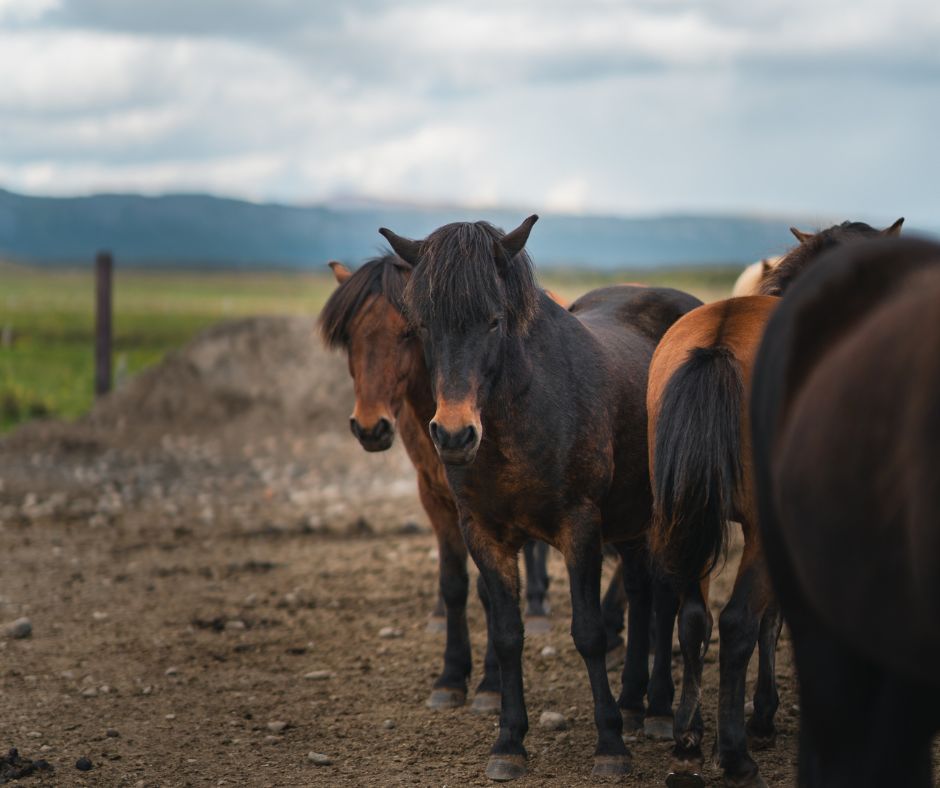
One of the first things you’ll notice about these horses is their size.
They’re smaller than most horses you’ve probably seen.
So, sometimes people wonder – are Icelandic horses ponies?
The answer to this is a resounding NO!
Even though they’re shorter than the average horse breed, their bone structure, joints, and muscle system are more similar to those of a horse, just in a compact package. 😊
These horses are sturdy, powerful, and every bit as strong as an average horse.
Pro tip: NEVER call an Icelandic horse a pony. Around here, the “P word” is taboo among horse lovers! 😉
What Makes Icelandic Horses Special
These horses have a number of unique traits. Let’s find out what they are.
1. Icelandic Horse Gaits
They’re the only breed in the world that can be ridden on five different gaits.
The three basic gaits are walk, trot, and canter.
But there are two additional gaits that are unique to these horses.
The Icelandic horses’ tölt, a four-beat single-foot gait, and the flying pace.
The flying pace is a fast, two-beat gait used for short bursts of speed in races, sometimes hitting 35 – 40 miles per hour!
2. Icelandic Horse Temperament
The next thing that makes Icelandic horses unique is their temperament.
They’re well known for being gentle and surprisingly easy to handle, which makes horse riding in Iceland a popular activity with children.
Of course, we’re still talking about an 800-pound animal! But compared to many other breeds, Icelandic horses are famously easygoing, making them a joy to ride and care for.
3. One of the Purest Horse Breeds
Since no new horses can enter Iceland (and any horse that leaves can’t return), this breed has stayed incredibly pure. They’re essentially the same horses the Vikings rode!
4. Their Colors
The horses can have up to 42 different color combinations! Some of their coats even change color by season.
Some Icelandic horses even have light blue eyes.
Horseback Riding Tours in Iceland

If horseback riding is on your bucket list, there’s no better place to do it than Iceland.
Whether you’re riding across lava fields or along a black sand beach, every tour is a chance to soak in the scenery — and spend time with these sweet, sturdy horses.
Horse Riding Near Reykjavík
Explore the Raufarhólshellir lava tunnel, then hop on an Icelandic horse to ride across lava fields and the Blue Mountains.
A lava cave AND horse riding on the same day, yes please!
➡️ TAKE A TOUR: Horse Riding & Caving From Reykjavík
Horseback Riding, Vík
On the South Coast, you’ll find waterfalls, the Dyrhólaey cliffs, and the iconic Reynisfjara beach.
You can even go horseback riding on the black sand beach in Iceland and end up in Vík, one of the most charming villages in all of Iceland.
➡️ TAKE A TOUR: South Coast Day Tour with Horse Riding(optional) at Black Sand
Akureyri Horseback Riding
When you’re visiting Akureyri, often called Iceland’s ‘capital of the North,’ consider taking a riding tour and get the most beautiful fjord views!
The Gásir Farm is a family-run operation that breeds, trains, and takes guests on horseback rides.
They even offer midnight tours over the summertime when there’s 24/7 daylight!
➡️ TAKE A TOUR: Riding Tour
Icelandic Horse Farms + Experiences
Most horse tours in Iceland last just a few hours (which is fun, don’t get me wrong), but if you really want the full experience, there’s nothing like staying at an actual horse farm.
You can take riding lessons, learn all about Icelandic horses up close, and even spend the night in the guesthouse.
Hestaland
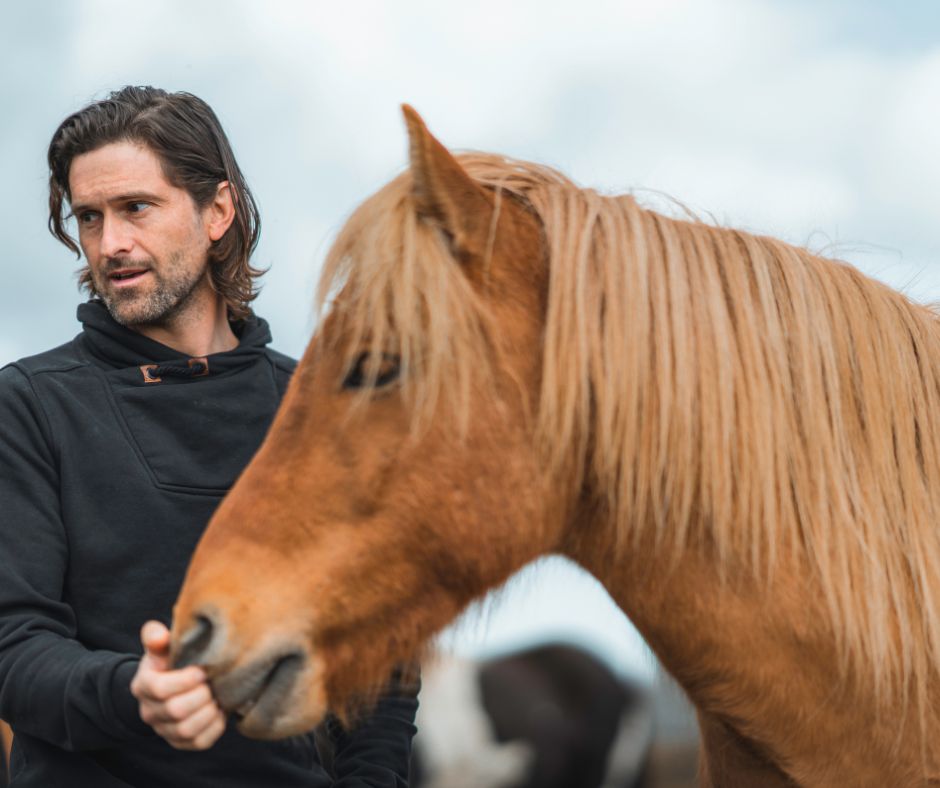
Hestaland is a horse farm in Iceland, located in Borgarnes, West Iceland, just an hour north of Reykjavík.
Besides offering tours, they also train and breed their horses here.
Fun fact: the Icelandic word for horse is Hestur, which is where the farm gets its name!
Tours range from short rides to longer excursions, and what’s nice is that they focus a lot on education. Before heading out, guests usually spend 10-20 minutes in the arena learning about the horses before going out for a ride.
The Hestaland Guesthouse is especially popular with families who want to soak up the full horse farm experience over a few days.
Winter tours are available too, just make sure you book those in advance.
➡️ TAKE A TOUR: Hestaland Trail Rides
Helluland
This horse farm is located in North Iceland near Sauðárkrókur, and it’s a super popular region for horseback riding.
At Helluland, they offer all kinds of unique experiences.
From riding and photography tours to the Pearls of Skagafjörður tour, where you’ll explore the Kolkúo region, which is famous for its very old breeding line.
You can even enjoy multi-day experiences like the Yoga and riding tour. Start your day with Yoga then head out for horseback riding and scenic excursions. Evenings are for guided meditation, dinner and relaxing on the farm.
Looking for more things to see and do in North Iceland? Check this out: 👇
➡️ READ: Exploring North Iceland: 10 Spectacular Attractions You Can’t Miss
FAQs

At what age do Icelandic horses start the training process?
Training usually starts at around three or four years old – a little later than with other breeds. This gives the horses time to mature physically and mentally.
How long do Icelandic horses live?
Depending on how they’ve been raised, these horses live quite long – anything from 20-25 years.
Can you pet or feed one of these horses if you see them?
This is a question I get A LOT.
If you’re wondering if you can pull over on the side of the road to touch or feed these horses…
It’s a definite no!
These horses belong to someone, and the owner might not want anyone petting them.
Absolutely never feed a horse without the owner’s permission, either.
If you want to get up close safely, there are plenty of farms (like Hestaland) where you can sign up for a tour, learn about the horses and their history, and even pet them.
What kind of temperatures can the horses withstand + where are they kept in the winter months?
It really depends on whether they’re in training or not. Horses that aren’t being ridden, like broodmares or those too young to train, usually live outside year-round.
They have access to shelter and plenty of food, and with their thick winter coats, they do just fine in the cold.
Horses in training are a little different.
They’re often housed in barns and turned out daily. Once a horse starts regular exercise and starts sweating, it naturally loses some of that heavy winter coat. The warmth of the barn also encourages the coat to shed.
So, owners generally make a choice – either keep them outside with their natural coat or stable them while training.
Either way, Icelandic horses have thick coats and are well-adapted to Iceland’s cold weather.
What are Icelandic horses used for?
Their work includes traditional sheepherding, as well as horse riding, shows, and racing.
Riding Icelandic Horses
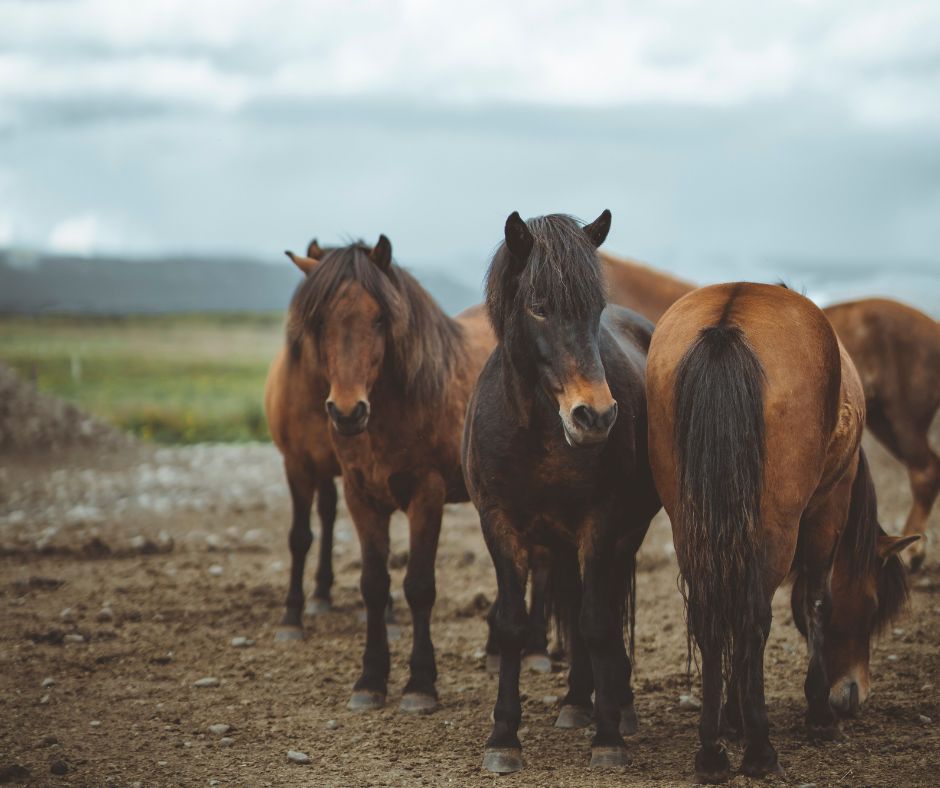
Riding a horse for the first time can feel a little intimidating, but don’t worry.
Icelandic horses are naturally calm, gentle, and not easily spooked. I love that you don’t have to be an expert rider to enjoy them!
Another bonus? Tour guides in Iceland are great at matching the right horse to the right person.
So, if you’re a total beginner, you’ll be paired with a calmer horse, or the guide can keep you on the lead line until you feel confident.
This experience is perfect for families, too!
Smaller children just need to be able to sit up and hold on. Most kids around five or six can handle it comfortably, depending on their confidence level.
If you’re ready to saddle up, check out my full list of horseback riding tours around Iceland below. 👇
➡️ TAKE A TOUR: Best Horseback Riding in Iceland
Why Add an Icelandic Horse Ride to Your Trip?
There’s something about trotting across Iceland’s wild landscapes on the back of an Icelandic horse that makes you feel like you’ve stepped back in time.
It’s just you, your horse, and the raw, untamed beauty of Iceland all around you.
It’s so breathtaking, you’ll want to pinch yourself to make sure it’s real!
Horseback riding in Iceland takes sightseeing to a whole new level. Whether you’ve signed up for a short ride or a multi-day farm stay, you’re guaranteed to make memories you’ll never forget.
💥Need a little extra help planning your Iceland trip?
Check out my 👉 Iceland Map + Guidebook.
The guide highlights all the major sites, hidden gems, and local secrets.
I’ve also packed in practical information like the nearest gas stations, grocery stores, and even restaurants.
The digital map is where these locations are pinned.
And here’s the best part: I’ve included my favorite tour recommendations, including horse riding, plus special discount codes so you can save big on your trip.

Saddle up, and giddy-up. ☺️
Happy Planning!

Pin it for later!


Jeannie is the founder of Iceland with a View, an Iceland trip planning resource she launched in 2015 after moving to Iceland. Having lived in Iceland for nearly 11 years, she shares firsthand travel advice through in-depth articles, guidebooks, maps, itineraries, and a YouTube channel with over 110,000 subscribers. Her mission is to help travelers confidently plan unforgettable Iceland trips with practical, experience-based guidance.