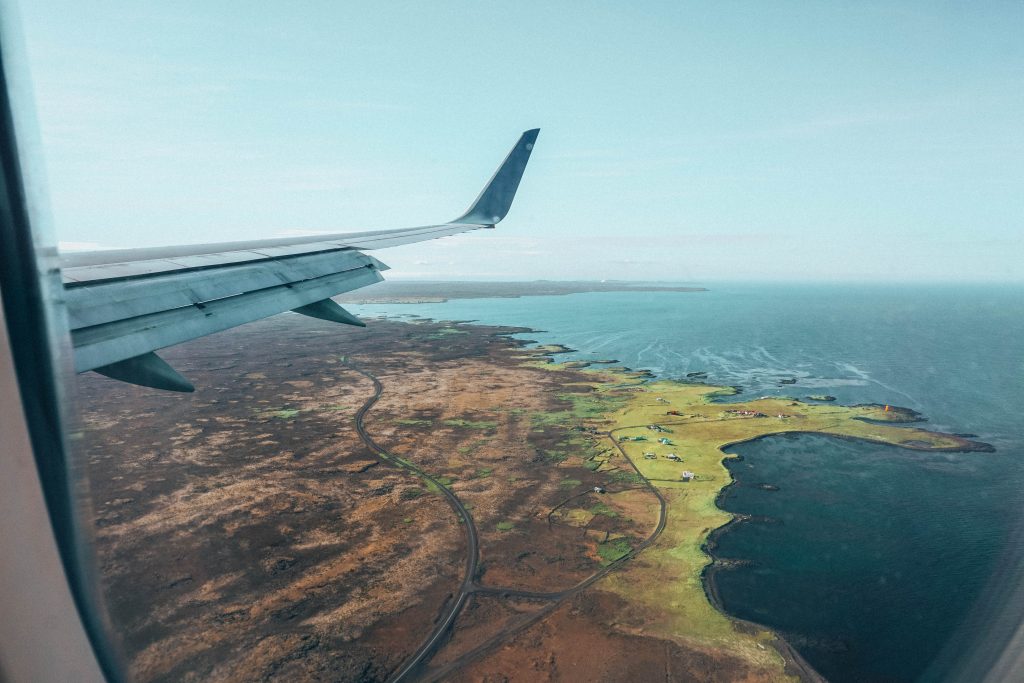
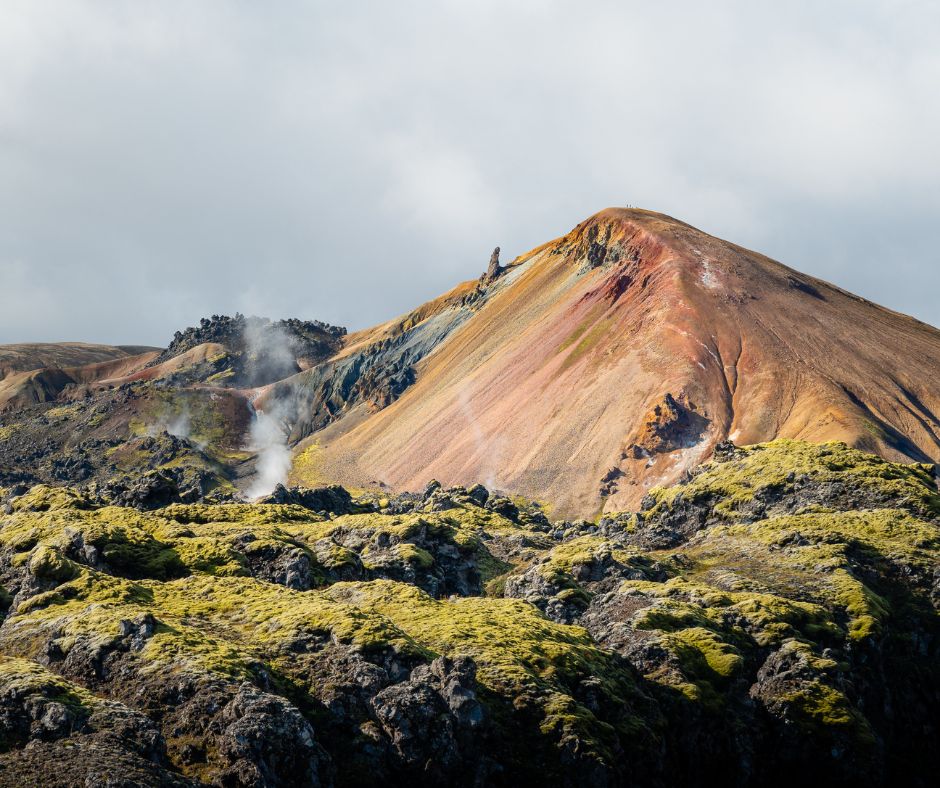
Scrolling through Instagram, Iceland looks like pure magic, and it is!
But let’s talk about Iceland safety for a second, because there’s a side of this country that doesn’t always make it into those perfect travel photos.
Behind the stunning waterfalls and dramatic landscapes, there are real risks that travelers need to be aware of.
The good news is that Iceland IS one of the safest countries in the world when it comes to crime.
That said, there are some important things to understand before your trip, especially when it comes to Mother Nature.
Trust me, a little preparation goes a long way in making sure your Iceland adventure is both epic and safe, and I’m going to give you some tips that’ll help you get there.
Let’s get into it!
Is Iceland Safe to Visit?
If you’re anything like me, one of the first questions you ask before booking a trip is, “So… am I going to be safe there?”
In Iceland, we need to look at this question from two angles:
There’s Iceland safety in terms of crime (which is barely a thing), and then there’s Iceland’s wild nature and weather… which definitely deserves your attention.
Crime in Iceland
How safe is Iceland, really?
Well, it’s actually one of the safest countries in the world to visit and consistently ranks in the top three countries on the Global Peace Index.
You don’t have to worry about crime, theft, or pickpockets like most other places in the world.
Police don’t carry guns, there’s no military, babies even sleep outside for their naps! This is a really peaceful place.
Is Iceland safe for solo female travelers?
Yes! As one of the safest places on earth, it’s a fantastic option for anyone wanting to travel alone, including women.
If you’ve ever considered taking a solo trip, this might just be your sign that Iceland is the place to do it!👇
➡️ READ: Solo Travel in Iceland: Why it’s the Best Country in the World to Visit Alone
But while Iceland is incredibly safe from a crime perspective, the real risk lies in nature.
Iceland Safety: Nature + Weather Risks

Iceland is magical and breathtaking, but it can also be cruel and unforgiving IF you’re caught off-guard.
It doesn’t take long after watching my Instagram stories to see that:
- The weather is unpredictable.
- Storms can roll in and cause road closures.
- And yes…sometimes volcanoes erupt!
Every year, more stories surface about visitors getting lost, injured, or even dying in Iceland, and it’s absolutely heartbreaking!
But it doesn’t have to be that way. An incredible, safe trip is totally possible; you just need to respect Iceland’s travel warnings.
The tips I’m about to give you apply to hiking, sightseeing, tours, and driving. I want you to know what you’re dealing with so you can explore Iceland confidently.
How to Stay Safe in Iceland: The Do’s
Even seasoned travelers can benefit from brushing up on Iceland safety before exploring glaciers, waterfalls, and volcanoes.
Can I be honest with you?
I think social media has started a dangerous trend.
Travelers see a picture of someone in a brightly colored raincoat standing on the edge of a cliff and think: “I need that photo too!”
So they save it, pin it, and try to recreate it when they’re in Iceland.
I know, I’ve been that tourist too.
But seeing Iceland through a local’s eyes has changed everything for me.
I’ve since found that these are the two most important things to remember when traveling in Iceland:
- Your safety
- Respect for nature
Now, let’s dive into the dos and don’ts of Iceland safety.
1. Check Weather + Road Conditions Daily
This is something you should get into the habit of checking every single morning before you head out.
Vedur.is has a local radar with an excellent hourly forecast. Storms can lead to road closures, flooding, or avalanches, so planning your day around the weather is essential.
You’ll see areas color-coded in yellow, orange, and red – a quick way to know whether it’s safe to travel.
This post is incredibly helpful in understanding Iceland’s travel warnings.👇
➡️ READ: 3 Crucial Iceland Travel Warnings + Top Tips for a Safe Trip
Road.is is another website where you can check the road conditions and closures for the area you’re traveling to.
Just remember, if there’s a big snowstorm, early efforts will be made to clear snow in highly populated areas first.
So Reykjavík will often get cleared long before places like the Snæfellsnes Peninsula.
Download Safety Apps
Apps like Safetravel Iceland can quite literally be a lifesaver in Iceland.
It sends real-time alerts about road closures, impassable areas, avalanche risks, and even major sights and attractions that are temporarily closed due to weather or safety conditions.
When you’re road-tripping around the country, those notifications are gold!
They also have a website where you can leave your travel plan, so if anything goes wrong, someone knows where you are.
If you’re interested in more apps you’ll need on your trip, check this out. 👇
➡️ READ: The 13 Best Apps for Iceland You Can’t Travel Without!
2. Hire a Guide

I speak with plenty of travelers who still feel uneasy tackling Iceland on their own, and I get it, it can feel scary!
That’s what private guides are for. Not only will they keep you safe, but they will teach you some fun facts along the way!
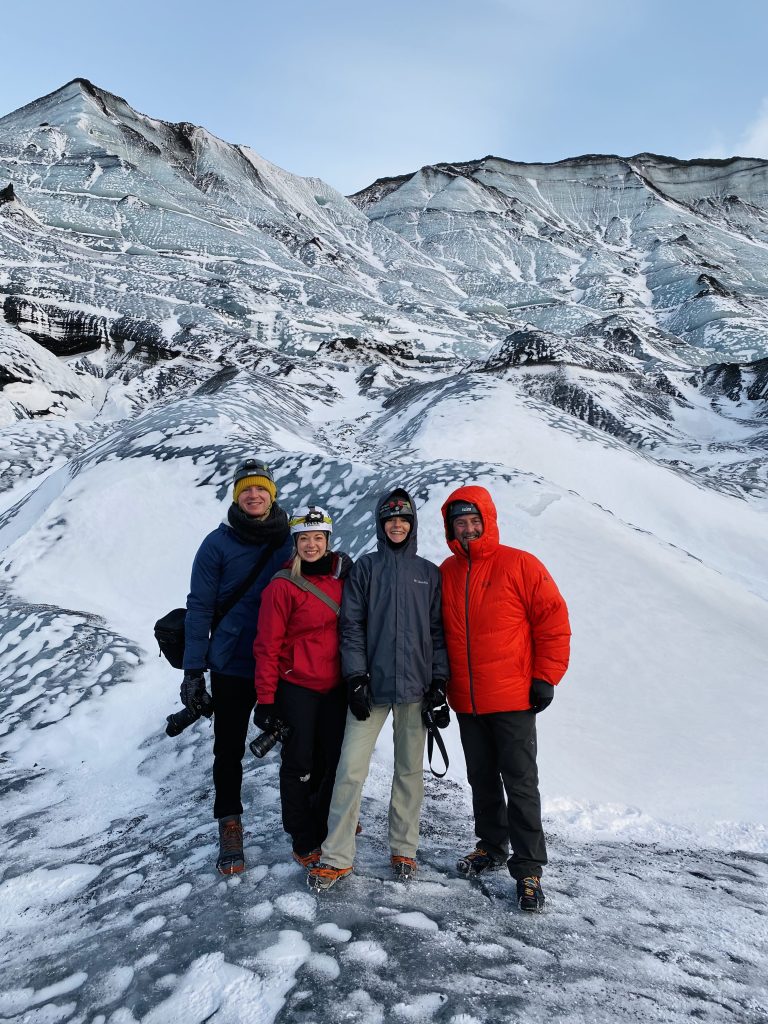
Plus, some activities simply aren’t possible on your own. Ice caves, glacier hikes, and venturing into the Highlands in winter all require guided tours.
Check out my tour desk for some of the best tours in Iceland!👇
➡️ TAKE A TOUR: Search Iceland Tours
3. Let People Know Where You’re Going
Leave your itinerary with someone back home. Mom, sister, friend…anyone who knows where you’ll be.
This is especially important if you’re heading off the beaten path, into the Highlands of Iceland , or traveling in winter.
Upload your itinerary to safetravel.is so that if anyone reports you missing, Iceland’s search and rescue teams know exactly where to start looking.
4. Call 112: The Local Emergency Number
Okay, so this is Iceland’s equivalent of 911. If you ever find yourself in an emergency, don’t hesitate to call 112.
Roadside support is another key factor to consider.
If you rent a vehicle with Blue Car Rental it comes with 24/7 roadside assistance, which is always a huge relief.
Aside from that, their vehicles are fully rigged for Iceland’s weather and terrain, and insurance is included in the price, so you know you’re covered if something were to happen.
If you book using my 👉 VIP LINK you’ll get 5% off applied at checkout, NO CODE NEEDED.
5. Iceland Safety When Driving
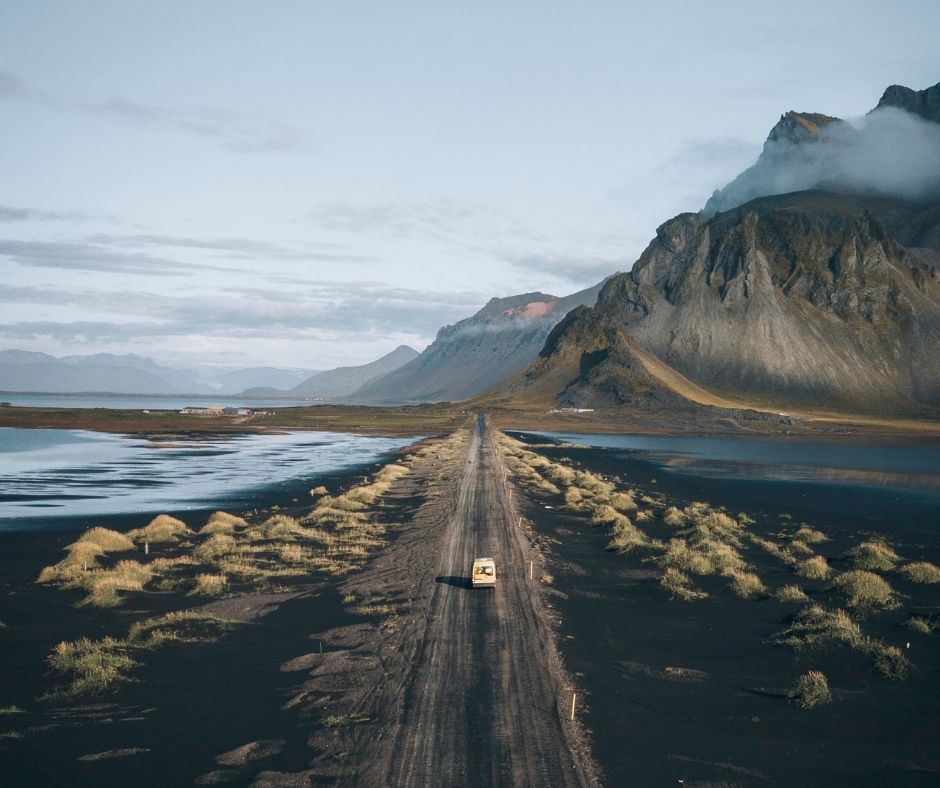
Driving shouldn’t be a problem when you’re visiting Iceland in the summer. The trickier roads to navigate are the rugged F-Roads, which are the interior roads in Iceland.
But, no matter what time of year you visit, there are definitely a few safety tips that you need to follow:
No stopping on the side of the road: Iceland’s lanes are narrow, and there aren’t really shoulders to pull off safely. It’s extremely risky, please don’t do this!
Know when you need a 4WD: Driving in winter or on the F-Roads? A 4WD is non-negotiable.
If you’re unsure whether a 2WD or 4WD is right for your trip, this post will clear it up. 👇
➡️ READ: 2WD or 4WD in Iceland
Know where the gas stations are: Make sure that you know exactly where to refill on your road trip. Gas stations in Iceland are few and far between (especially when you’re in more remote areas!)
Understand the road signs: Familiarize yourself with the road signs in Iceland. Some might be the same where you’re from, but others can be completely different!
➡️ READ: Driving In Iceland: Stay Safe On The Roads With These 8 Tips
Plan Routes Out Safely
If you’re traveling to Iceland, you NEED to have a plan.
This is not a destination where you can just wing it or figure it out as you go.
Planning your routes properly can literally prevent dangerous situations in Iceland.
My 👉 Iceland Map + Guidebook breaks everything down for you by region, major sights, hidden gems, and the fun little detours that are totally worth it!
I even added accommodation and food options, so you always know where to stay and where to eat.
And the best part?
All of it is on a digital map with hundreds of pinned locations… including grocery stores and gas stations. So you’re never stuck wondering where to fill up, especially in those super remote areas where you really don’t want to run out of fuel.
Safety Mistakes: The Don’ts of Iceland Safety
Along with what you should do comes a list of absolute no-no’s when it comes to Iceland safety.
1. Don’t Get Close to the Surf at Reynisfjara
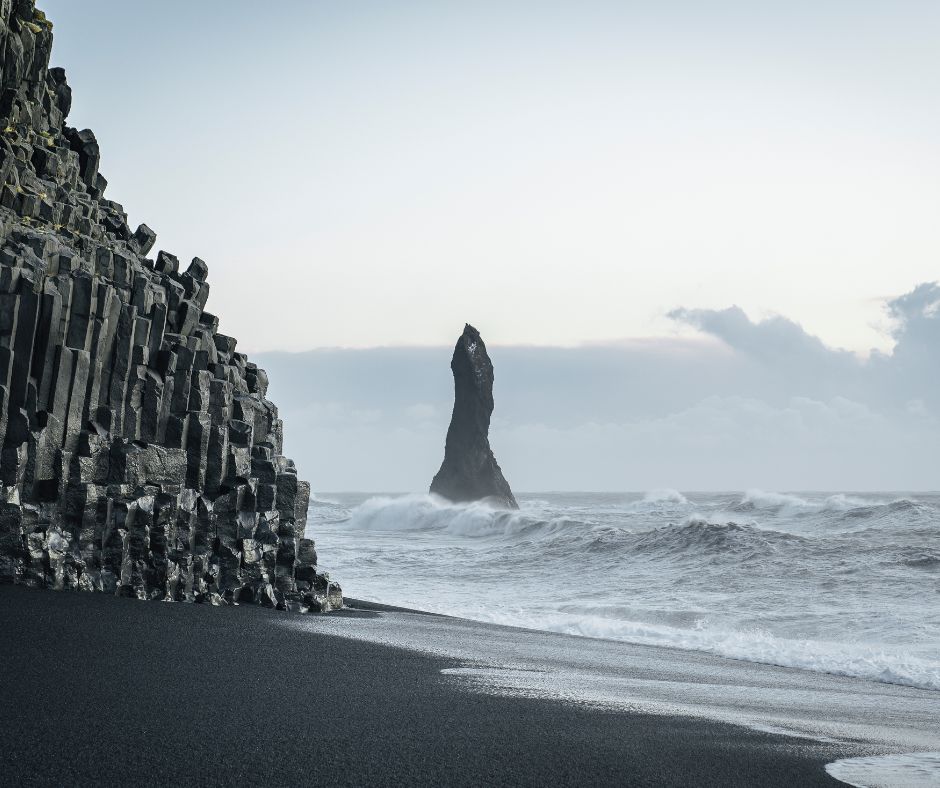
If you’re taking a road trip to South Iceland, you’ll likely have Reynisfjara Beach on your itinerary.
Now, for some reason, at this black sand beach in particular, people like to go down and walk towards the surf.
This is a HUGE mistake!
Reynisfjara is the number one place in Iceland where tourists have died, simply for ignoring the warnings.
The waves are beautiful, and as they roll in, they look very innocent, but every three to five waves are what we call ‘sneaker waves’.
They can come up fast, and the current can pull you straight out to sea.
To help keep visitors safe, Reynisfjara uses a color-coded warning system:
- Yellow indicates a medium hazard: stay out of the yellow zone.
- Red means high danger: stay off the beach entirely, beyond the warning signs.
These warnings are enforced by flashing lights and signs, but ultimately, safety here is self-enforced.
That means staying far from the water, never turning your back on the ocean, and obeying all posted warnings.
It’s extremely serious, and a lot of people don’t realise how much danger they’re putting themselves in going straight up to the surf.
Please remember: the current at this beach is one of the strongest in the WORLD. If you get caught in the waves, it could be a fatal mistake.
2. Don’t Go on the Glaciers + Ice Caves Without a Professional Guide
To be a licensed glacier guide, you have to go through A LOT of safety training.
Heading out on your own, without that knowledge and experience, is extremely dangerous.
Glaciers are extremely unstable. Constantly melting and moving with deep crevasses.
A few years ago, a tourist fell into one and was tragically swept under the glacier.
Along with this, please don’t climb onto icebergs at Jökulsárlón. The water is freezing, and strong currents can pull icebergs out to sea.
If you still want to see an ice cave outside of winter, Katla Ice Cave is your best bet. It’s open year-round, and guided tours keep you safe.
Find out more about it below.👇
➡️ READ: Ice Caves in Iceland: Tours, Best Time of Year, How to Visit + More
3. Don’t Get Close to the Edges of Cliffs + Waterfalls

Iceland keeps a lot of its sights as natural as possible, which means there’s very little infrastructure or barriers. That can make it tempting to edge closer for the perfect photo… but don’t.
Cliff edges can give way without warning, and icy spots make slipping dangerously easy.
One wrong step could be fatal. Stay safe and enjoy the view from a safe distance!
Pro tip: Staying safe in Iceland isn’t only about what you do, it’s also about what you wear. Proper boots, warm layers, and winter traction gear like crampons can make a massive difference in how safely (and comfortably) you can explore Iceland’s rugged landscapes.
To help you prep without overpacking (or forgetting something important), I’ve created an 👉Ultimate Iceland Packing Guide with seasonal packing lists, monthly weather info, and smart layering tips.
Grab your FREE Iceland Packing Guide below.👇
4. Don’t Walk on the Moss
Iceland is classified as a tundra, which means the ecosystem is incredibly delicate! If the moss is damaged, it can take HUNDREDS of years to grow back to its original state.
So I beg you, do not walk on it!
5. Don’t Ignore Roped-Off Areas

When you see something chained off, roped off, or marked with a big “CLOSED” sign, for the love of all that is good, don’t step over it!
I know that sounds obvious, but trust me… for some people, it apparently isn’t.
There’s nothing more frustrating than watching someone casually swing a leg over a blocked-off walkway like it’s just an inconvenience instead of a very real warning.
Those signs aren’t there to ruin your Iceland adventure.
They’re there to protect you.
Maybe the cliffside is unstable.
Maybe the waterfall path is iced over.
Maybe the area is being destroyed from too much foot traffic.
Either way, ignoring the signs puts you at risk, and it damages Iceland’s incredibly fragile environment.
It’s 👏 not 👏 worth it. 👏
FAQs
You’ve got questions, I’ve got answers!
Is Iceland Safe for Tourists?
Yes. As one of the top three safest places on earth, Iceland is safe for tourists.
Is Reykjavík Safe?
Reykjavík is one of the safest capitals in the world. Walking around at night, even solo, is totally normal and usually feels super chill.
As with any city, it’s smart to stay aware in spots where people are drinking, like busy bars or clubs late at night. But overall, the vibe is low-key and safe, even after dark.
Is Iceland a Safe Place to Visit Considering Recent Volcanic Eruptions?
The volcanic eruptions that have happened in recent years are located in the Reykjanes Peninsula. The rest of Iceland is safe to visit. I go deeper into this topic in the blog post below. 👇
➡️ READ: Icelandic Volcanoes: Can I Visit Iceland Safely? Everything You Need To Know
Iceland Map + Guidebook
While Iceland is stunning and adventurous, a little knowledge about Iceland safety goes a long way.
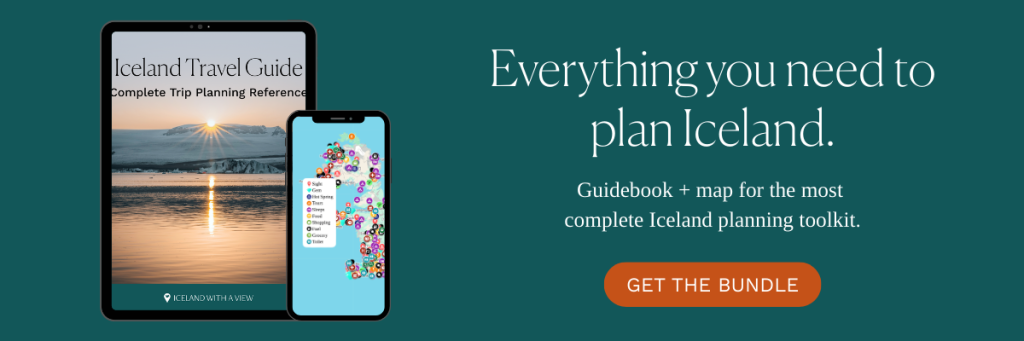
💥 Remember to check out my Iceland Guidebook + Map if you want to plan the perfect trip.
Take a look at what Kathy had to say:
Just finished up our Iceland Ring Road vacation with the use of Jeannie’s map and guide. I can’t tell you how useful they were.
Seriously, we needed a few bathroom stops that we never would have known were there without her help. Also visited two “hidden gems” we never would have stopped at which would have been sad! So easy to use.
It was like having Jeannie along with us for the vacation. If you’re visiting Iceland and especially if you’re self-driving, stop thinking about it and just click the button!! Thank you so much Jeannie!!
P.S. Also picked up a lot of helpful hints by following her on her Iceland with a View site – felt totally prepared for this trip!
Happy Planning!


Jeannie is the founder of Iceland with a View, an Iceland trip planning resource she launched in 2015 after moving to Iceland. Having lived in Iceland for nearly 11 years, she shares firsthand travel advice through in-depth articles, guidebooks, maps, itineraries, and a YouTube channel with over 110,000 subscribers. Her mission is to help travelers confidently plan unforgettable Iceland trips with practical, experience-based guidance.